Visit Diamond Lakes Dental Today Or Call 501-623-7113

The Science Behind Teeth Whitening: How Does It Really Work?

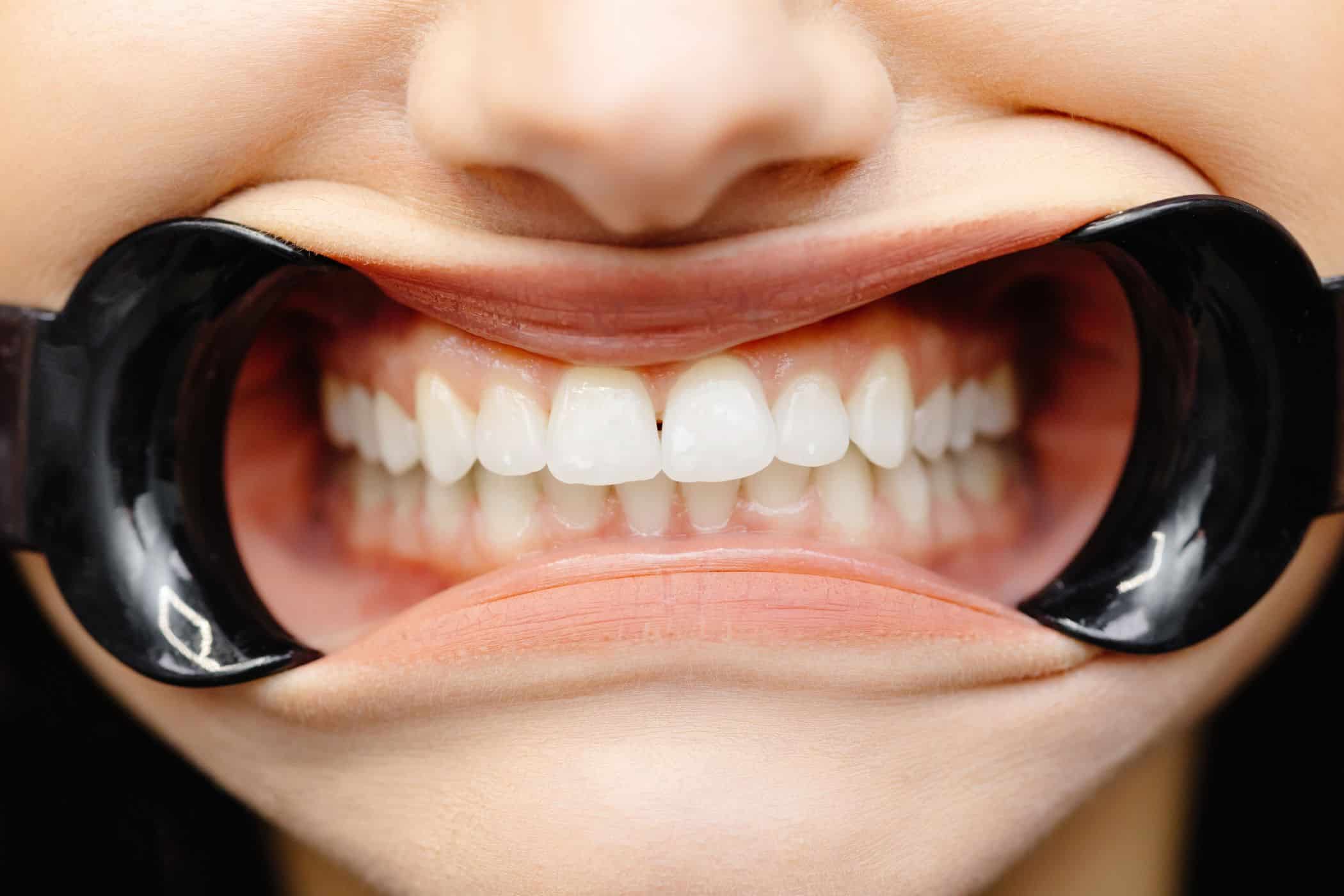
A brighter smile can change more than the way your teeth look. It can make you feel more comfortable in photos, more confident when meeting someone new, and more willing to show your personality when you laugh.
But have you ever wondered what actually happens when your teeth become whiter? Is whitening simply removing stains from the surface, or is there more happening beneath the enamel? Understanding the process can help you choose a whitening option that fits your smile and your oral health.
What Is Teeth Whitening?
Teeth whitening is a cosmetic dental treatment designed to lighten the color of your teeth and reduce certain types of discoloration. Depending on the treatment, whitening may work mainly on surface stains or penetrate deeper into the tooth to break down compounds responsible for darker shades.
This is where the teeth whitening science becomes interesting. Professional whitening products commonly use peroxide-based ingredients, such as hydrogen peroxide or carbamide peroxide. These ingredients can enter the enamel and react with stain-causing molecules.
The result? The molecules responsible for discoloration are broken into smaller compounds that reflect light differently, making your teeth appear brighter.
Why Do Teeth Become Discolored?
Not every stain has the same cause. Your dentist may first determine what is contributing to the discoloration before recommending whitening.
Common causes include:
- Coffee and tea: Regular consumption can contribute to staining over time.
- Red wine: Dark pigments can cling to the tooth surface.
- Tobacco: Smoking and other tobacco products can cause persistent discoloration.
- Aging: Enamel naturally becomes thinner with age, allowing more of the naturally darker dentin underneath to show.
- Certain foods: Dark berries, sauces, and other strongly pigmented foods may contribute to surface staining.
- Dental factors: Some discoloration may come from trauma, certain medications, or changes within the tooth rather than surface staining.
For people around Hot Springs who enjoy coffee before work, iced tea on a warm afternoon, or meals at local restaurants, everyday habits can gradually affect tooth color.
How Professional Whitening Works
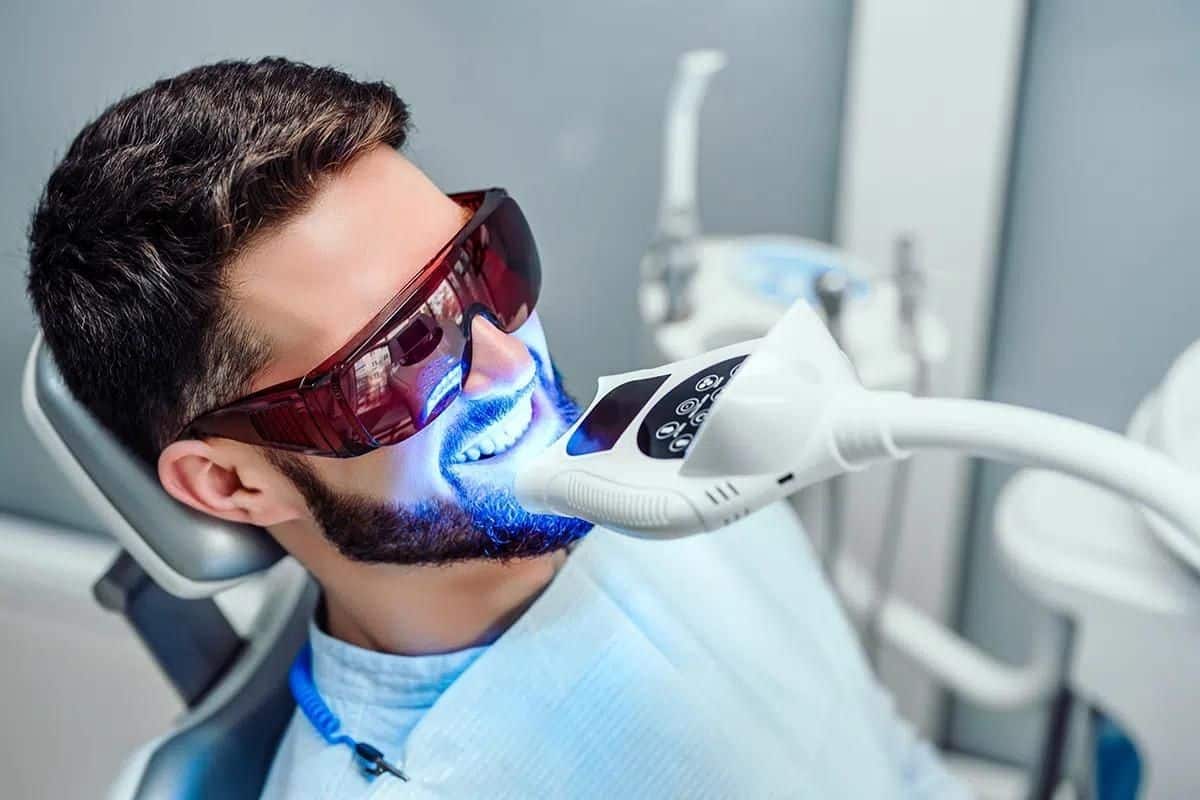
Professional whitening is more than simply putting a whitening product on your teeth and waiting.
During a professional treatment, your dental team considers the condition of your teeth and gums, the type of discoloration present, and the level of whitening you want to achieve.
Peroxide molecules interact with the compounds that create darker pigmentation. As these compounds are broken down, the appearance of the teeth becomes lighter.
A professional evaluation can also identify issues that whitening will not correct. For example, fillings, crowns, veneers, and some internal tooth discoloration do not respond to whitening in the same way as natural enamel.
That is one reason an evaluation with a dental professional can be valuable before starting treatment.
Professional Whitening vs. At-Home Products
Walk through almost any store and you’ll find whitening strips, toothpastes, gels, rinses, and other products. Some can help reduce surface stains, but their results and strength can vary.
Professional whitening offers a more individualized approach.
Professional treatment may offer:
- Stronger whitening ingredients when appropriate
- Guidance based on your oral health
- More predictable results
- Professional monitoring
- Recommendations for maintaining your results
If you are searching for a cosmetic dentist near me, consider asking about your whitening options rather than choosing a product based only on its advertising.
Can Whitening Damage Your Teeth?
When used appropriately, professional whitening is generally considered safe for suitable patients. However, temporary tooth sensitivity or gum irritation can occur.
Sensitivity is often related to the concentration and duration of the whitening treatment. Your dentist can recommend ways to make treatment more comfortable if you are prone to sensitivity.
Whitening is also not a substitute for treating cavities, gum disease, cracked teeth, or other dental problems. A healthy foundation matters before pursuing cosmetic treatment.
How to Keep Your Teeth Looking Brighter
Whitening is not permanent. Your daily habits can influence how long the results last.
Try these simple habits:
- Brush twice daily with a fluoride toothpaste.
- Clean between your teeth every day.
- Rinse your mouth with water after staining foods or drinks.
- Avoid tobacco products.
- Keep up with routine dental cleanings.
- Follow your dentist’s recommendations for touch-up whitening.
You don’t have to give up every food or drink you enjoy. Consistent oral hygiene and smart habits can make a meaningful difference.
Is Teeth Whitening Right for You?
The best whitening approach depends on your individual teeth. If you have noticeable staining, sensitivity, dental restorations, or an upcoming event, talking with a dentist can help you understand what is realistic for your smile.
A dental professional can also determine whether whitening is appropriate or whether another cosmetic option would better address the type of discoloration you’re experiencing.
For local patients looking into teeth whitening Hot Springs options, an in-person consultation is a useful starting point for creating a treatment plan based on your smile rather than a one-size-fits-all product.
Frequently Asked Questions
Does teeth whitening remove all stains?
No. Whitening works best on many types of natural tooth discoloration, particularly stains that respond to peroxide-based treatment. Some deep or internal discoloration may require a different cosmetic approach.
How long do whitening results last?
The duration varies from person to person. Diet, oral hygiene, tobacco use, and natural aging can all affect how long teeth remain brighter.
Can crowns and fillings be whitened?
No. Whitening products work on natural tooth structure and do not lighten most dental restorations. Your dentist can discuss options if the color of a restoration no longer matches your natural teeth.
Why do my teeth feel sensitive after whitening?
Whitening ingredients can temporarily increase tooth sensitivity in some people. The sensation typically improves after treatment, and your dentist can recommend ways to manage sensitivity.
Should I whiten my teeth before seeing a dentist?
It is better to have your teeth and gums evaluated first, particularly if you have sensitivity, cavities, gum concerns, or existing dental restorations. Your dentist can determine whether whitening is appropriate for you.
Brighten Your Smile With Confidence
A whiter smile isn’t just about choosing the strongest product you can find. It starts with understanding why your teeth are discolored, how whitening works, and which approach makes sense for your oral health and cosmetic goals.
If you’re ready to explore your options, Diamond Lakes Dental can help you take the next step toward a brighter, more confident smile. Book an appointment today to discuss professional whitening in Hot Springs.