Visit Diamond Lakes Dental Today Or Call 501-623-7113

Why Do Teeth Turn Yellow? The Science Behind Tooth Discoloration

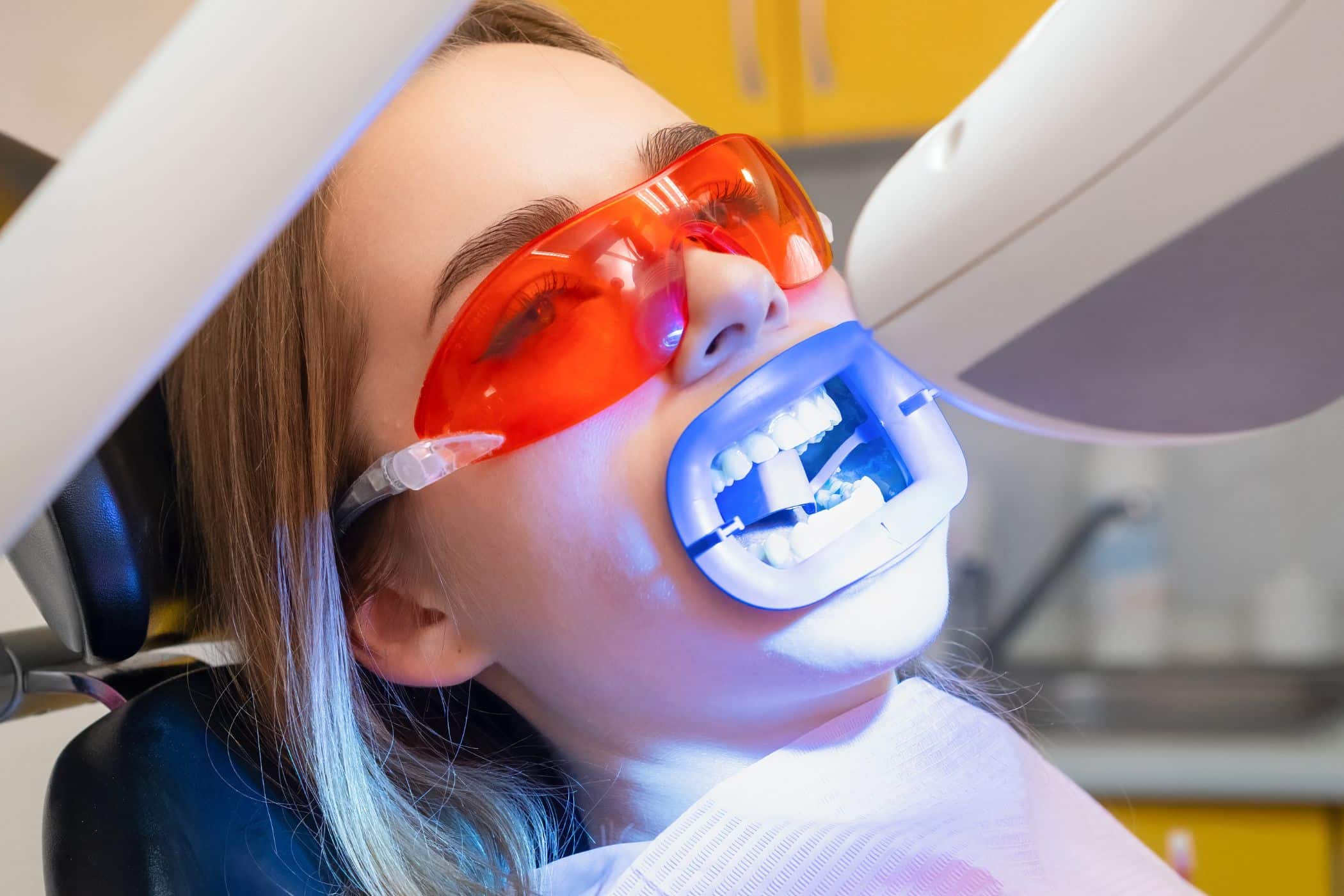
A bright smile can make you feel more confident, but teeth do not always stay naturally white. Over time, you may notice a yellow or dull tint when you look in the mirror. That change can happen even when you brush and floss regularly.
So, what causes it? Tooth discoloration is usually more complicated than simply “not brushing enough.” Your tooth’s natural structure, the foods and drinks you enjoy, aging, and certain habits can all influence its color. Understanding what is happening beneath the surface can help you choose the right way to brighten your smile.
What Gives Teeth Their Natural Color?
Teeth are not naturally pure white. Their appearance comes from several layers working together.
The outer layer, called enamel, is the hardest substance in the human body. Although enamel looks white or slightly translucent, it allows some of the color from the layer underneath, called dentin, to show through. Dentin has a naturally yellowish or warm tone.
As enamel becomes thinner, more of the dentin underneath can become visible. This is one reason teeth may gradually look more yellow with age.
That is where understanding teeth whitening science can be helpful. Professional whitening is designed to address certain stains and discoloration without simply covering the tooth with a white coating.
Why Do Teeth Become Yellow?
There is rarely one single reason. Common causes include:
- Aging: Enamel naturally wears down over the years, making the warmer color of dentin more noticeable.
- Coffee and tea: Regular consumption can leave staining compounds on the tooth surface.
- Red wine and dark-colored foods: Pigments can attach to enamel and contribute to discoloration.
- Tobacco use: Smoking and other tobacco products can cause persistent yellow or brown stains.
- Poor oral hygiene: Plaque buildup can make teeth appear dull or darker.
- Certain medications: Some medications can cause tooth discoloration, particularly when teeth develop.
- Dental trauma: An injury to a tooth can sometimes cause it to darken from within.
- Enamel changes: Thinning, erosion, or developmental changes can affect how white teeth appear.
Not every type of discoloration responds to the same treatment. Surface stains may respond well to professional whitening, while deeper discoloration may require a different cosmetic approach.
Surface Stains vs. Deeper Discoloration
This distinction matters when deciding what treatment may actually work.
Extrinsic stains develop on the outside of the tooth. Coffee, tea, tobacco, and highly pigmented foods are common contributors. Professional cleaning and whitening can often improve this type of discoloration.
Intrinsic discoloration develops within the tooth. Aging, trauma, certain medications, or changes that occurred while the tooth was developing can contribute to it. Whitening may help in some cases, but your dentist may recommend another cosmetic treatment depending on the cause.
A dental examination can help determine whether you are dealing with surface staining, deeper discoloration, or a combination of both.
Does Your Daily Routine Affect Tooth Color?
Absolutely. Think about your typical morning in Hot Springs. Maybe you start the day with coffee, grab iced tea later, and enjoy a dark-colored sauce with dinner. None of those choices automatically mean your teeth will become yellow, but frequent exposure to staining foods and drinks can add up over time.
You can help limit staining by:
- Rinsing your mouth with water after coffee, tea, or dark-colored foods.
- Brushing twice daily with fluoride toothpaste.
- Flossing regularly to remove plaque between teeth.
- Avoiding tobacco products.
- Keeping regular dental cleanings.
- Drinking water throughout the day.
You do not have to give up every food or drink you enjoy. Small habits can make a meaningful difference in keeping your teeth looking cleaner and brighter.
What Can Professional Whitening Do?
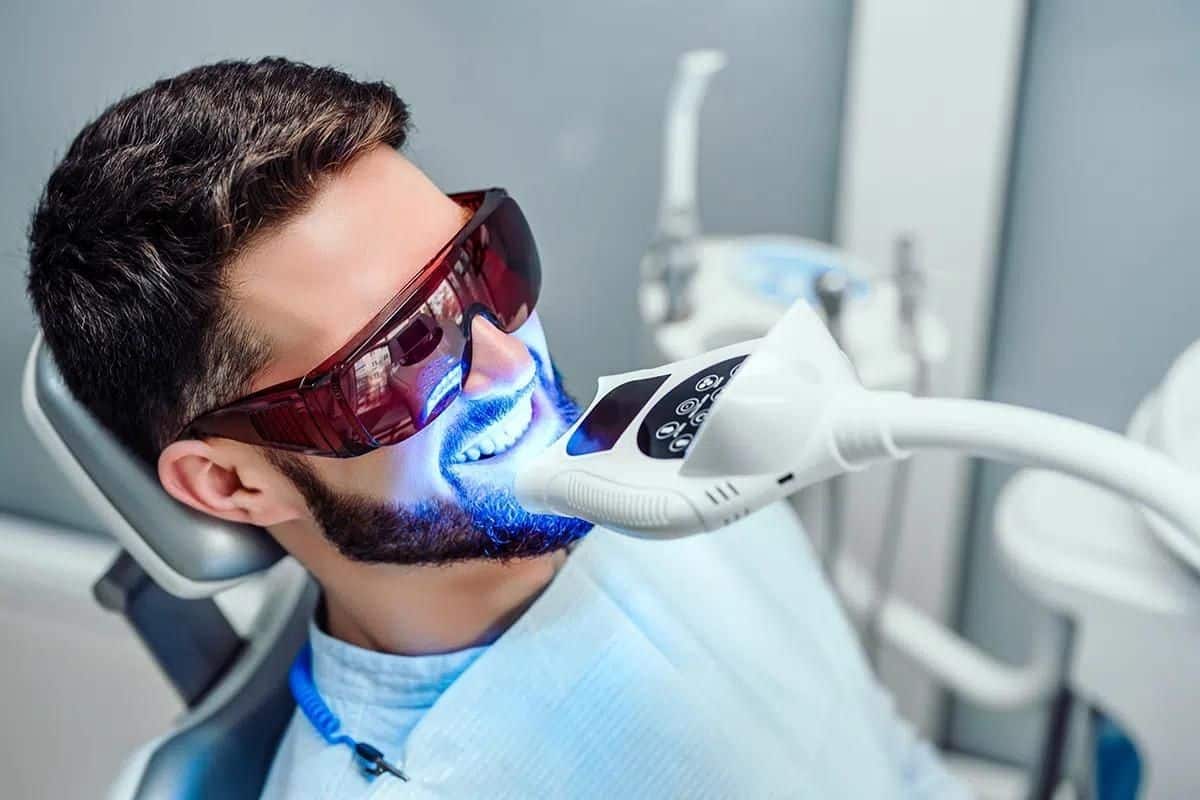
Professional whitening uses carefully selected whitening agents to lighten certain types of tooth discoloration. The process works differently from abrasive products that simply scrub stains from the tooth surface.
Before whitening, your dental professional can check your teeth and gums to make sure whitening is appropriate for you. Existing cavities, gum irritation, cracked teeth, or significant sensitivity may need attention first.
If you have been searching for teeth whitening Hot Springs, a consultation is a good starting point. Your dentist can discuss your current tooth color, the type of discoloration you have, and which whitening option fits your needs.
When Should You Talk to a Dentist About Yellow Teeth?
Yellowing is often cosmetic, but a sudden or unusual color change should not automatically be treated as a cosmetic issue.
Consider scheduling an evaluation if:
- One tooth suddenly becomes darker than the others.
- You notice discoloration after a dental injury.
- Your teeth have developed unusual spots or patches.
- You have tooth sensitivity, pain, or visible damage.
- Whitening products have not improved the discoloration.
- You are unsure what is causing the color change.
A dentist in Chandler or any other community can evaluate discoloration, but for Hot Springs residents, seeing a local dental professional makes it easier to get personalized advice and ongoing care close to home.
What About Whitening Products at Home?
Whitening toothpaste, strips, and other over-the-counter products may help with certain surface stains. However, results vary depending on the cause and severity of discoloration.
More whitening is not necessarily better. Overusing whitening products can increase tooth sensitivity or irritate your gums. If you are considering a cosmetic treatment, talking with a professional first can help you avoid wasting time and money on an option that may not address the underlying cause.
If you have searched for a cosmetic dentist near me, look for a practice that evaluates your oral health before recommending cosmetic treatment.
Frequently Asked Questions
Why do healthy teeth sometimes look yellow?
Healthy teeth can naturally have a yellowish appearance because enamel is somewhat translucent and allows the naturally warmer color of dentin to show through.
Can coffee make your teeth yellow?
Regular coffee consumption can contribute to surface staining. Rinsing with water afterward and maintaining good brushing and flossing habits can help reduce buildup.
Does brushing remove yellow teeth?
Brushing helps remove plaque and some surface stains, but it cannot change the natural color of dentin or remove every type of discoloration.
Is professional teeth whitening safe?
Professional whitening is generally considered safe when performed appropriately. Your dentist can evaluate your teeth and gums first and recommend an option based on your oral health.
Why is one tooth darker than the others?
A single darkened tooth can sometimes be associated with trauma, changes inside the tooth, or another dental concern. It is worth having it examined rather than assuming it is simply a surface stain.
A Brighter Smile Starts With Understanding Your Teeth
Yellow teeth do not necessarily mean your oral hygiene is poor. Tooth color is influenced by enamel, dentin, aging, daily habits, food and drinks, and sometimes underlying dental conditions. Once you know what is causing the discoloration, you can make a more informed decision about treatment.
If you are ready to understand your options and find out whether professional whitening is right for you, Diamond Lakes Dental can help. Book an appointment and take the next step toward a healthier-looking, brighter smile.