Visit Diamond Lakes Dental Today Or Call 501-623-7113

Can Sensitive Teeth Be Whitened? Here’s What You Need to Know

Have you been avoiding teeth whitening because your teeth react to cold drinks, hot coffee, or even a gentle breath of cool air? You’re not alone. Many people believe they have to choose between living with tooth sensitivity and having a brighter, more confident smile. Fortunately, that’s no longer the case.
Modern dental care has made it possible for many people with sensitive teeth to safely improve the appearance of their teeth. The key is understanding why sensitivity happens, choosing the right whitening approach, and working with a dental professional who can recommend treatment based on your oral health. Instead of risking discomfort with over-the-counter products, a personalized treatment plan can help you achieve noticeable results while protecting your teeth.
If you’re considering best teeth whitening Hot Springs, it’s important to start with a dental evaluation to determine the safest and most effective option for your smile.
Why Do Teeth Become Sensitive?
Tooth sensitivity develops when the protective enamel becomes thinner or when gums begin to recede, exposing the softer layer beneath the enamel. This allows temperature changes and certain foods to reach the nerves inside the tooth more easily.
Common causes include:
- Enamel wear from everyday use
- Gum recession
- Tooth grinding
- Cavities or cracked teeth
- Aggressive brushing habits
- Previous dental treatments
Sensitivity doesn’t automatically mean you can’t whiten your teeth—it simply means the treatment should be carefully planned.
Can Sensitive Teeth Be Whitened Safely?
Yes, in many cases they can.
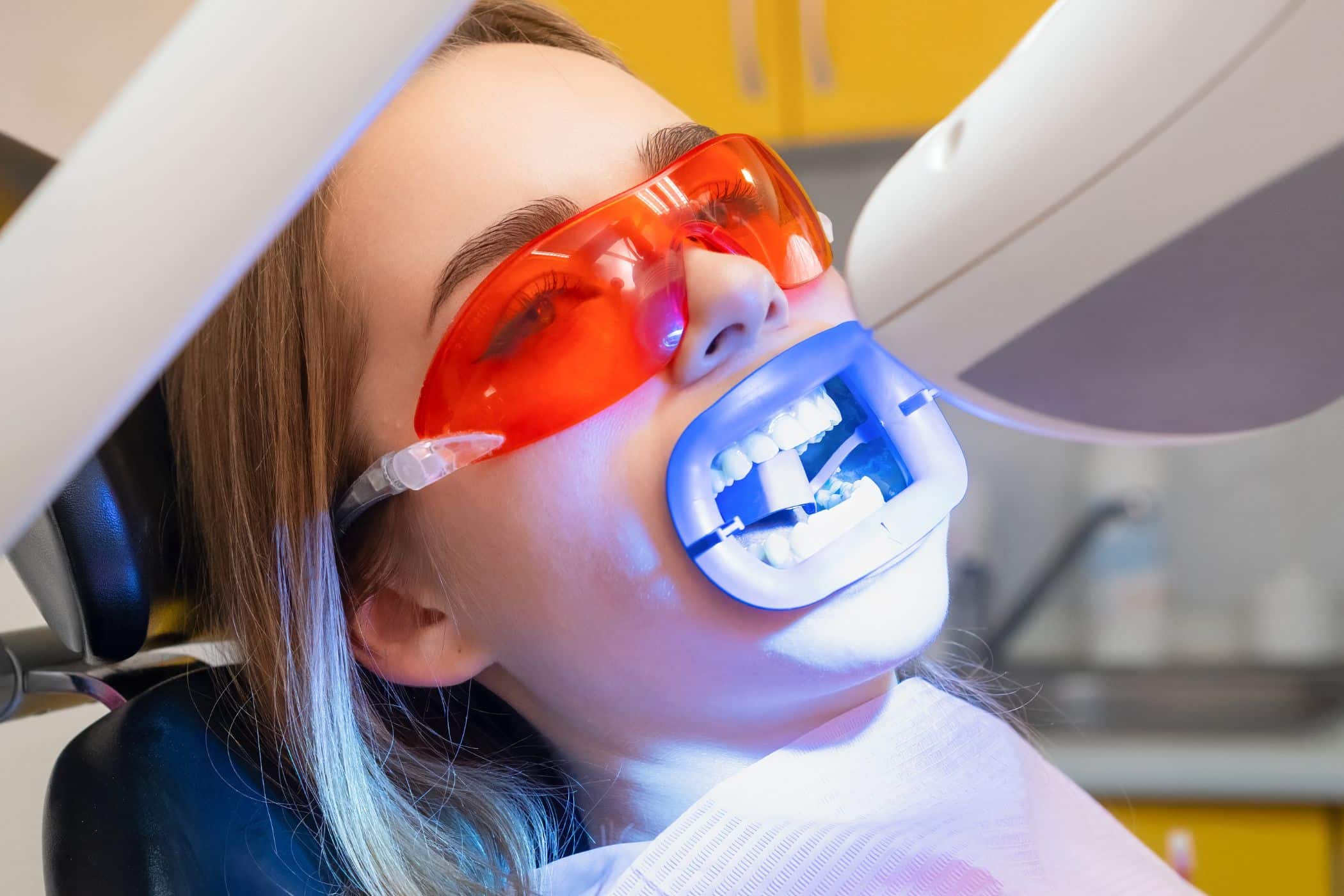
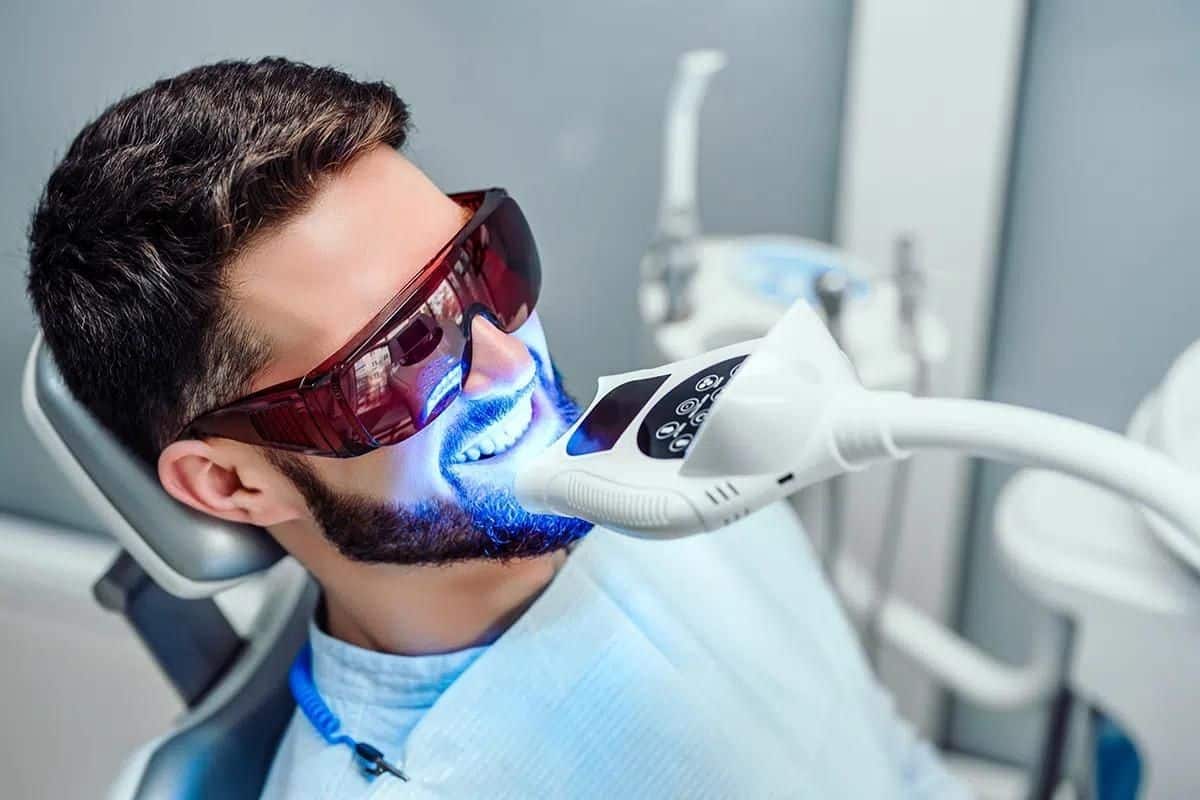
Professional whitening treatments have advanced significantly, making them much more comfortable for patients with sensitive teeth. Your dentist can evaluate your oral health, identify the source of sensitivity, and recommend a whitening option that minimizes discomfort while delivering excellent results.
Professional care is especially important because not all sensitivity is the same. Sometimes the discomfort comes from untreated dental problems that should be addressed before whitening begins.
Why Professional Whitening Is Better for Sensitive Teeth
Many whitening strips and DIY products contain stronger bleaching agents than people realize. Without professional guidance, they may increase sensitivity or produce uneven results.
Professional treatment offers several advantages:
- Customized whitening strength based on your comfort level
- Protection for sensitive gums
- Careful monitoring throughout treatment
- Even, natural-looking results
- Recommendations for sensitivity management before and after treatment
This personalized approach helps reduce unnecessary discomfort while achieving a brighter smile.
Tips to Reduce Sensitivity During Whitening
If you have sensitive teeth, these simple steps can make whitening much more comfortable:
Use Toothpaste Designed for Sensitive Teeth
Desensitizing toothpaste helps block pain signals and may reduce discomfort when used consistently before and after whitening.
Follow Your Dentist’s Instructions
Professional guidance helps prevent overuse of whitening products and reduces the risk of irritation.
Avoid Extremely Hot or Cold Foods
Your teeth may be temporarily more sensitive after treatment. Choosing foods and beverages at moderate temperatures can help.
Stay Hydrated
A healthy mouth produces saliva that naturally protects teeth and supports enamel.
Don’t Over-Whiten
More whitening isn’t always better. Following the recommended treatment schedule protects your enamel and reduces sensitivity.
Who Should Wait Before Whitening?
Whitening may not be the right first step if you have:
- Untreated cavities
- Active gum disease
- Cracked or damaged teeth
- Worn dental restorations that need replacement
- Severe enamel erosion
Your dentist can recommend treating these concerns before cosmetic whitening to improve comfort and long-term oral health.
Local Care Makes the Difference
Living in Hot Springs means enjoying local restaurants, coffee shops, outdoor activities around Lake Hamilton, and community events throughout the year. Naturally, many residents want their teeth to look as healthy as they feel.
Choosing a local dental practice offers benefits beyond convenience. A dentist familiar with your dental history can monitor your oral health over time, adjust whitening treatments if needed, and provide ongoing preventive care. That’s one reason many patients searching for the best teeth whitening Hot Springs prefer personalized treatment rather than one-size-fits-all products.
How to Know If You’re a Good Candidate
You may be a good candidate for professional whitening if:
- Your teeth are healthy overall.
- Your sensitivity is mild or manageable.
- You have yellow or surface staining.
- Your gums are healthy.
- You want predictable, professional results.
The best way to know is through a comprehensive dental examination.
What to Expect During Your Appointment
Professional whitening typically begins with an examination to ensure your teeth and gums are healthy enough for treatment. Your dentist will discuss your goals, evaluate the cause of your tooth sensitivity, and recommend the most appropriate whitening option.
Throughout the process, your comfort remains the priority. If needed, adjustments can be made to reduce sensitivity while still achieving noticeable improvements.
A Brighter Smile Can Still Be Comfortable
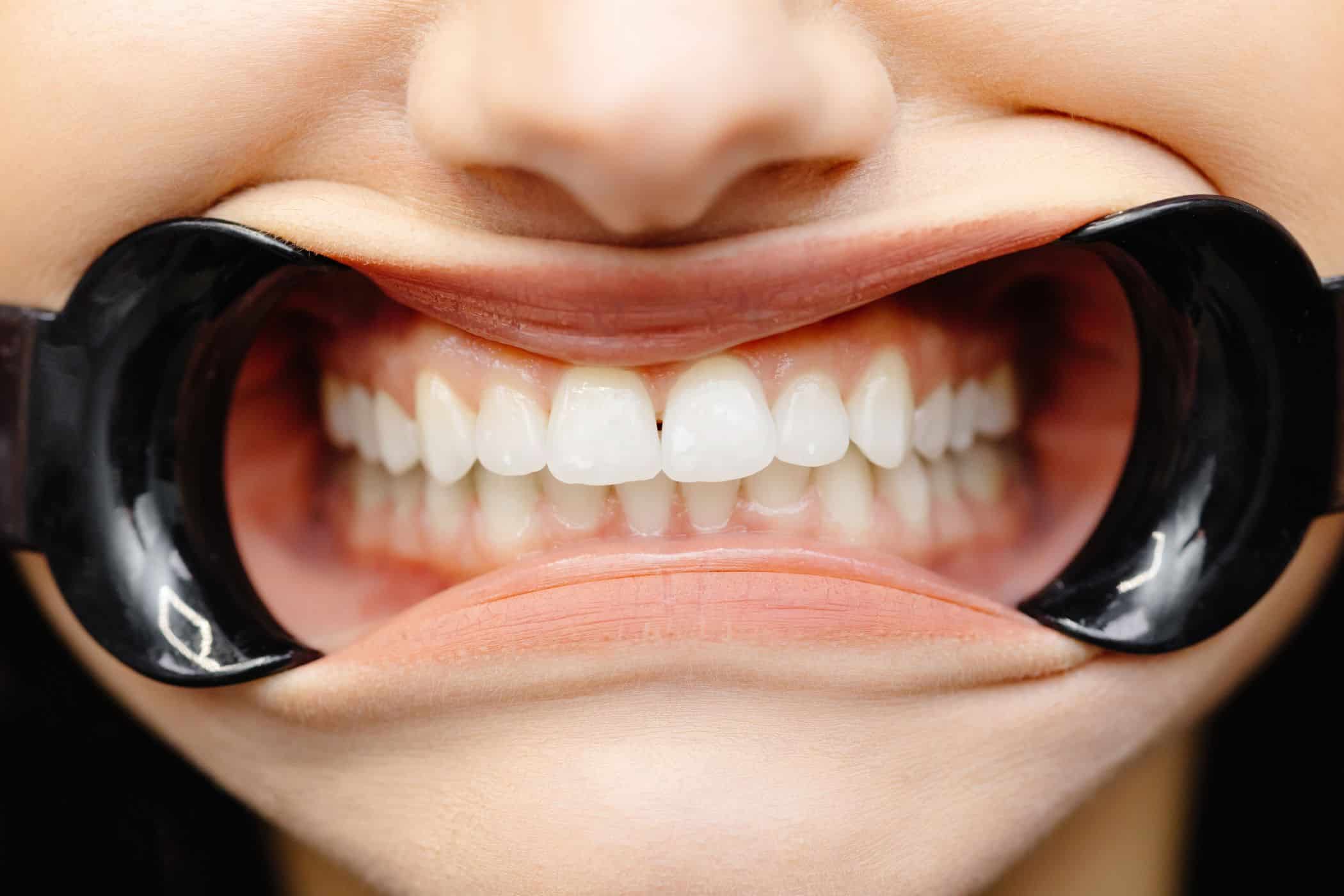
Having sensitive teeth doesn’t mean giving up on a whiter, healthier-looking smile. With the right evaluation, personalized treatment, and professional guidance, many patients can safely enjoy noticeable whitening results without unnecessary discomfort. If you’re ready to explore your options, Diamond Lakes Dental is here to help you achieve brighter teeth comfortably. Book your appointment today and discover a whitening solution designed around your unique smile.
Frequently Asked Questions
Can whitening make sensitive teeth worse?
Temporary sensitivity is possible, but professional whitening is designed to minimize discomfort and usually resolves quickly.
Is professional whitening safer than store-bought products?
Yes. Professional treatment is customized to your oral health and monitored by a dentist, making it safer and more predictable.
How long do whitening results last?
Results vary depending on diet, oral hygiene, and lifestyle habits, but professional whitening generally lasts much longer than over-the-counter products with proper care.
Should I treat cavities before whitening?
Absolutely. Existing dental problems should be treated first to prevent pain and achieve the best cosmetic results.
Can everyone with sensitive teeth whiten their teeth?
Not everyone is an immediate candidate. A dental examination will determine whether whitening is appropriate or if other treatment should come first.