Visit Diamond Lakes Dental Today Or Call 501-623-7113

Why Your Teeth Whitening Fades (And How to Make It Last)

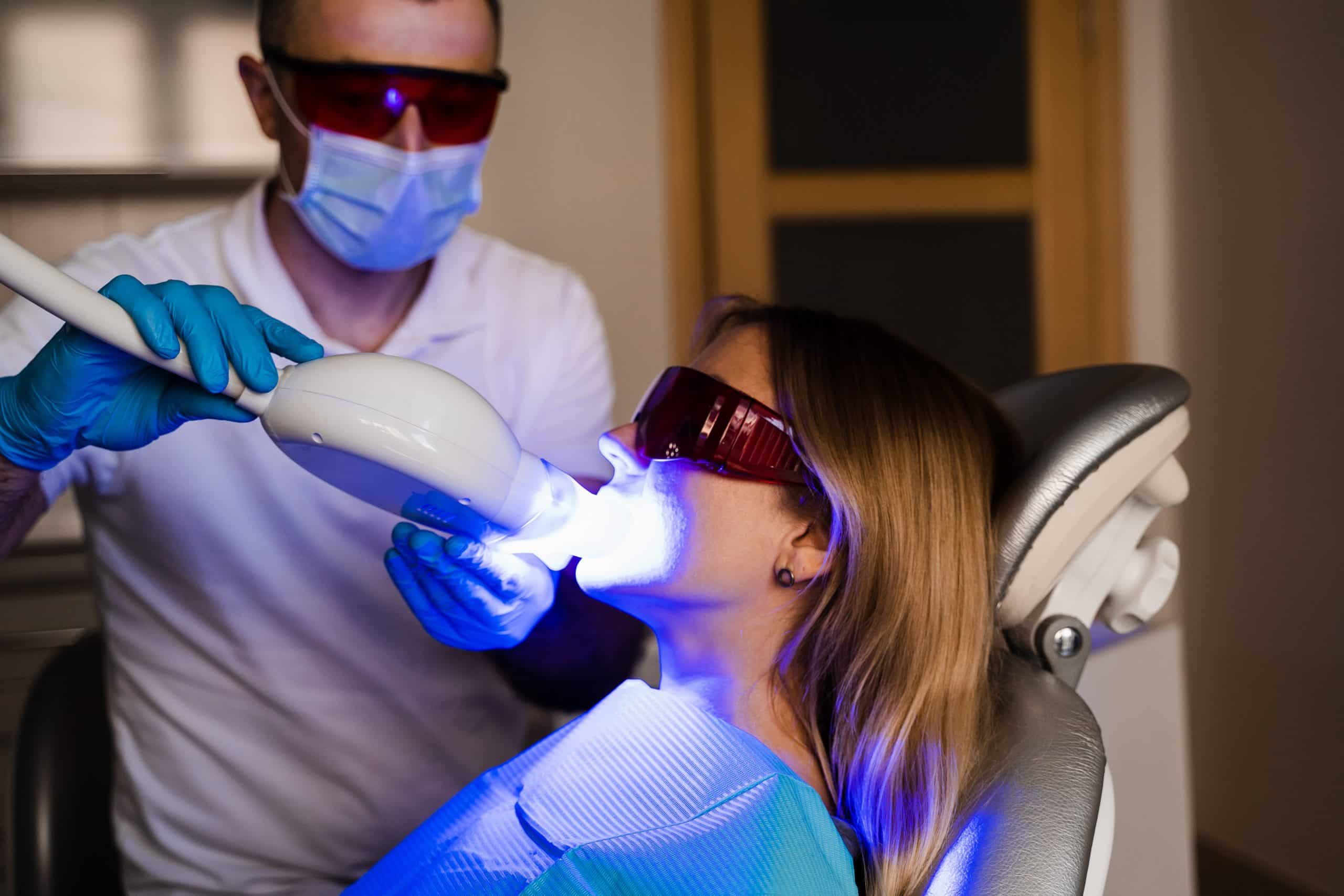
You invested time and effort into getting a brighter smile, but a few months later, you may notice that your teeth are starting to look dull again. This can be frustrating, especially when you want your whitening results to last. Understanding what causes discoloration and how to prevent it can help you maintain a brighter appearance for longer.
At Diamond Lakes Dental, we help patients in Hot Springs understand their cosmetic dental options and maintain healthy, attractive smiles. Whether you have recently completed a whitening treatment or are considering improving your teeth’s appearance, knowing how everyday habits affect your results can make a big difference. Here are some common reasons teeth whitening fades and practical ways to preserve your results.
How Long Do Teeth Whitening Results Actually Last?
Professional teeth whitening results can last anywhere from several months to a few years. However, the exact duration depends on your oral hygiene routine, eating habits, lifestyle, and the type of whitening treatment you choose.
Professional whitening treatments generally provide more noticeable and longer-lasting results than many over-the-counter products. However, no whitening treatment offers permanent results.
Your tooth enamel has tiny pores that can absorb pigments from foods and beverages. As you go about your daily routine, these pigments gradually accumulate on your teeth, causing discoloration to return.
The good news is that a few simple changes can help slow this process and keep your teeth looking brighter.
Everyday Habits That Can Make Your Teeth Whitening Fade Faster
Some everyday foods, drinks, and habits can contribute to tooth discoloration. Even if you have recently completed a whitening treatment, regular exposure to staining substances can affect your results.
Here are some common causes to watch out for.
1. Drinking Coffee and Tea Regularly
Coffee and tea contain dark pigments called tannins that can attach to tooth enamel. Drinking these beverages frequently, especially throughout the day, can gradually cause yellow or brown stains.
You do not necessarily have to give up your favorite morning drink. Try drinking water afterward and avoid slowly sipping coffee or tea for several hours.
2. Consuming Red Wine and Dark-Colored Foods
Red wine, berries, tomato sauce, soy sauce, and dark-colored sodas contain pigments that can stain your teeth. Frequent exposure can make your whitening results fade sooner.
Enjoy these foods in moderation and rinse your mouth with water after eating.
3. Smoking and Using Tobacco Products
Tobacco is one of the major contributors to tooth discoloration. Nicotine and tar can leave stubborn yellow or brown stains that are difficult to remove with regular brushing.
Reducing or quitting tobacco use can help protect your oral health and maintain your whitening results.
4. Skipping Regular Dental Cleanings
Even with good brushing habits, plaque and tartar can accumulate on your teeth. These deposits can make your teeth appear dull or discolored.
Routine professional cleanings help remove surface buildup and support better oral hygiene.
5. Inconsistent Oral Hygiene
Not brushing and flossing regularly allows plaque, food particles, and surface stains to accumulate. Over time, this can affect the appearance of your teeth.
Brushing twice daily and flossing once a day are important steps toward maintaining your whitening results.
Practical Ways to Make Your Teeth Whitening Last Longer
Maintaining a brighter appearance does not require complicated changes to your routine. Consistent habits can help protect your teeth and reduce the buildup of new stains.
Consider following these tips:
- Rinse With Water After Meals: Drinking or rinsing with water after consuming staining foods and beverages helps wash away some pigments and food particles.
- Use a Straw When Appropriate: A straw can reduce direct contact between dark beverages and your front teeth.
- Brush Twice a Day: Use a soft-bristled toothbrush and fluoride toothpaste to remove plaque and maintain good oral hygiene.
- Floss Daily: Cleaning between your teeth helps remove food particles and plaque that brushing may miss.
- Limit Frequent Snacking: Try to enjoy staining foods and drinks with meals instead of consuming them throughout the day.
- Schedule Regular Dental Cleanings: Professional cleanings help remove plaque, tartar, and surface stains.
- Follow Your Whitening Instructions: If your dental professional provides custom whitening trays, use them only as directed.
One important tip is to avoid brushing immediately after consuming acidic foods or beverages. Wait approximately 30 minutes to give your enamel time to recover before brushing.
Professional Teeth Whitening vs. Store-Bought Whitening Products
When considering teeth whitening, many people start with products available at local stores. Whitening strips, gels, and toothpaste can help improve the appearance of certain surface stains. However, results vary depending on the product and the type of discoloration.
Professional whitening offers a more personalized approach. A dental professional can examine your teeth, evaluate the cause of discoloration, and recommend an appropriate treatment.
Professional whitening may offer several advantages:
- Treatment recommendations based on your dental needs
- Guidance on choosing an appropriate whitening method
- More controlled application of whitening products
- Professional advice for managing sensitivity
- Personalized maintenance recommendations
At Diamond Lakes Dental, patients can discuss their cosmetic concerns and explore suitable options for improving the appearance of their teeth.
If you are interested in making additional improvements, cosmetic dentistry in Hot Springs may offer other solutions depending on your needs. Treatments such as dental bonding, veneers, and professional whitening can address different cosmetic concerns.
When Should You Schedule a Whitening Consultation?
Sometimes, discoloration does not respond to regular whitening treatments. If your teeth remain stained despite using whitening products, a professional evaluation can help identify the underlying cause.
Certain types of stains may require a different approach, including:
- Medication-Related Discoloration: Some medications can cause changes in tooth color that are difficult to correct with standard whitening treatments.
- Age-Related Staining: As you get older, enamel naturally becomes thinner, allowing the darker dentin underneath to become more visible.
- Dental Trauma: An injury to a tooth can sometimes cause internal discoloration.
- Existing Dental Restorations: Crowns, veneers, and fillings do not respond to whitening products in the same way as natural teeth.
It is also important to address existing dental problems before starting cosmetic treatments. For example, if you have a severely damaged or infected tooth, your dental professional may recommend restorative treatment or tooth extractions in Hot Springs when removal is necessary.
Whitening should always be planned around your overall dental health. A consultation helps determine which treatments are appropriate and how to achieve natural-looking results.
Keep Your Teeth Bright With Consistent Dental Care
Teeth whitening can improve the appearance of your smile, but maintaining those results requires ongoing care. Your everyday habits, food choices, and oral hygiene routine all influence how long your teeth stay bright.
Simple steps such as drinking water after coffee, brushing and flossing consistently, avoiding tobacco, and scheduling regular dental cleanings can help reduce new staining.
At Diamond Lakes Dental, we are committed to helping patients in Hot Springs maintain healthy teeth and feel confident about their appearance. If you have questions about whitening or want to explore other cosmetic treatment options, our team can help you understand the choices available.
Ready to refresh your teeth and maintain your whitening results? Book an appointment with Diamond Lakes Dental to discuss your dental goals.
Frequently Asked Questions
1. How long do professional teeth whitening results last?
Professional teeth whitening results can last several months to a few years, depending on your lifestyle and oral hygiene habits. Drinking coffee, tea, and red wine frequently or using tobacco products can cause stains to return sooner. Regular dental cleanings and appropriate maintenance can help extend your results.
2. Can I drink coffee after getting my teeth whitened?
Yes, but it is generally recommended to avoid coffee and other strongly colored foods and beverages for at least 24 to 48 hours after whitening, following your dental professional’s instructions. After that period, drinking water afterward and limiting prolonged exposure can help reduce staining.
3. Does whitening toothpaste help maintain professional whitening results?
Whitening toothpaste can help remove some surface stains and maintain the appearance of your teeth. However, it generally cannot provide the same whitening effect as professional treatments. Choose a product with gentle ingredients and follow your dental professional’s recommendations.
4. Why are my teeth still yellow after whitening?
Several factors can contribute to yellow teeth, including natural tooth color, thinning enamel, age-related changes, medication-related discoloration, and internal stains. Standard whitening treatments may not address every type of discoloration. A dental evaluation can help identify the cause and determine suitable treatment options.
5. Is it safe to repeat teeth whitening treatments?
Whitening treatments can be repeated when appropriate, but the frequency depends on your teeth, existing sensitivity, and the products being used. Excessive whitening may cause temporary sensitivity and gum irritation. Consult your dental professional before starting another treatment or using additional whitening products.