Visit Diamond Lakes Dental Today Or Call 501-623-7113

Mom-Approved Oral Hygiene Tips for the Whole Family


Between getting the kids ready for school, preparing meals, managing work, and keeping up with everyday responsibilities, moms have plenty on their plates. Adding everyone’s dental care to that list can sometimes feel like another full-time job. One child refuses to brush, another forgets to floss, and getting everyone to the bathroom before bedtime can become a challenge.
The good news? Keeping your family’s teeth healthy doesn’t have to be complicated. A few simple habits, a little consistency, and some creativity can make daily dental care easier for everyone.
Whether you’re caring for a toddler, helping your school-age child develop better brushing habits, or reminding your teenager to floss, these practical oral hygiene tips for the whole family can help make healthy teeth a natural part of your daily routine.
1. Make Brushing and Flossing a Fun Family Activity
Getting children excited about brushing their teeth isn’t always easy. Instead of turning it into a daily argument, try making oral hygiene something they actually look forward to.
Here are a few ways to make brushing more enjoyable:
- Use a Two-Minute Song: Play your child’s favorite upbeat song while they brush. It gives them something fun to focus on while helping them brush for the recommended two minutes.
- Let Them Pick Their Toothbrush: Colorful toothbrushes featuring their favorite characters can make children more interested in brushing.
- Create a Reward Chart: Put a sticker on the calendar every time your child brushes in the morning and before bed. Small rewards can encourage consistency.
- Brush Together: Children often copy what their parents do. Make brushing a family activity so they can learn by watching you.
Remember, the goal isn’t to make brushing perfect overnight. It’s to help your children understand that taking care of their teeth is simply part of everyday life.
2. Start Good Oral Hygiene Habits Early
You don’t have to wait until your baby’s first tooth appears to begin caring for their mouth. Starting early helps children become comfortable with daily oral care as they grow.
Before the first tooth erupts, gently wipe your baby’s gums with a clean, damp washcloth after feedings. Once the first tooth appears, introduce a soft-bristled infant toothbrush and a tiny smear of fluoride toothpaste about the size of a grain of rice.
As more teeth come in, continue brushing twice daily, especially before bedtime. Avoid putting your baby to bed with a bottle containing milk, formula, or juice, as prolonged exposure to sugars can increase the risk of early childhood cavities.
These small steps can make a meaningful difference in establishing healthy habits from the beginning.
3. Adjust Brushing Habits Based on Your Child’s Age
Every stage of childhood comes with different dental care needs. What works for a toddler may not be enough for a teenager.
Here’s how parents can support good oral hygiene at different ages:
Toddlers (1 to 3 Years)
Use a soft, child-sized toothbrush and a smear of fluoride toothpaste about the size of a grain of rice. Brush their teeth twice a day and do the work for them, as toddlers don’t yet have the coordination to clean every surface properly.
Preschoolers (4 to 6 Years)
Children in this age group may want to brush independently. Let them practice, but continue supervising and helping them reach the areas they might miss. Use a pea-sized amount of fluoride toothpaste.
School-Age Children (7 to 12 Years)
As children develop better coordination, they can gradually take more responsibility for brushing. However, parents should still check their technique and make sure they are brushing for two full minutes. Encourage daily flossing, especially when their teeth begin touching.
Teenagers (13 Years and Older)
Busy school schedules, sports, social activities, and changing routines can make dental care easy to overlook. Remind teenagers to brush twice a day, floss daily, and keep up with dental appointments. If they wear braces or clear aligners, proper cleaning becomes even more important.
4. Choose Tooth-Friendly Snacks and Drinks
What your family eats and drinks throughout the day can have a direct impact on dental health. Frequent exposure to sugary foods and beverages allows cavity-causing bacteria to produce acids that damage tooth enamel.
You don’t have to eliminate every treat from your family’s diet. Instead, focus on making healthier everyday choices.
Consider adding these options to your grocery list:
- Fresh Fruits and Vegetables: Apples, carrots, and celery make convenient snacks and encourage chewing.
- Dairy Products: Cheese, milk, and plain yogurt provide calcium and other nutrients that support healthy teeth.
- Water: Make water the go-to drink throughout the day. Fluoridated tap water can also help protect against cavities.
- Nuts: Unsweetened nuts can be a nutritious snack for children who are old enough to eat them safely.
Try to limit frequent snacking on candy, cookies, sticky treats, and sugary drinks. If your children enjoy sweets, offering them with a meal rather than throughout the day can help reduce repeated acid exposure.
5. Don’t Let Flossing Become an Afterthought
Brushing is important, but it doesn’t clean every part of your teeth. Food particles and plaque can collect between teeth, where a toothbrush cannot reach effectively.
That’s why flossing should be part of your family’s daily oral hygiene routine.
For younger children, parents should help with flossing as soon as their teeth begin touching. As children get older, teach them how to move the floss gently between their teeth without snapping it against their gums.
If traditional floss is difficult for your child to use, floss picks or other age-appropriate cleaning aids may make the process easier.
The important thing is to build a consistent habit rather than treating flossing as something you only do when food gets stuck.
6. Make Regular Dental Checkups a Family Priority
Even when everyone brushes and flosses regularly, professional dental visits are still essential. Some dental problems develop without obvious symptoms, making routine examinations important for identifying concerns early.
Scheduling regular appointments with a dentist in Hot Springs can help your family stay on top of preventive care.
During routine visits, your dental professional can:
- Check for cavities and early signs of tooth decay.
- Examine the gums and surrounding oral tissues.
- Evaluate children’s dental development.
- Recommend preventive treatments when appropriate.
- Provide personalized brushing and flossing guidance.
Children should have their first dental visit by their first birthday or within six months after their first tooth appears. After that, the dentist can recommend an appropriate appointment schedule based on their needs.
Making dental appointments part of your family’s regular routine helps children become more comfortable with professional dental care as they grow.
7. Don’t Ignore Dental Concerns in Adults
While parents often focus on their children’s dental health, it’s just as important to take care of their own teeth.
Missing teeth, persistent tooth sensitivity, bleeding gums, and difficulty chewing shouldn’t be ignored. Addressing these concerns early can help prevent more complicated dental problems.
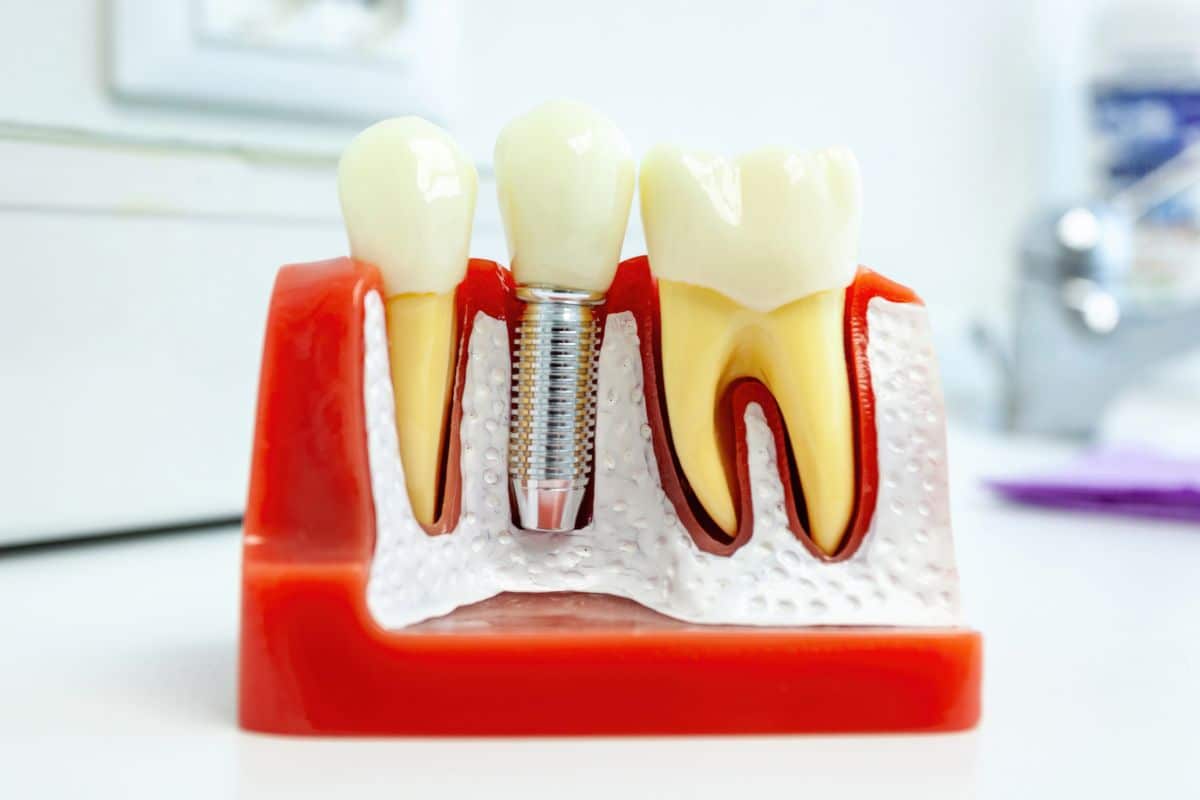
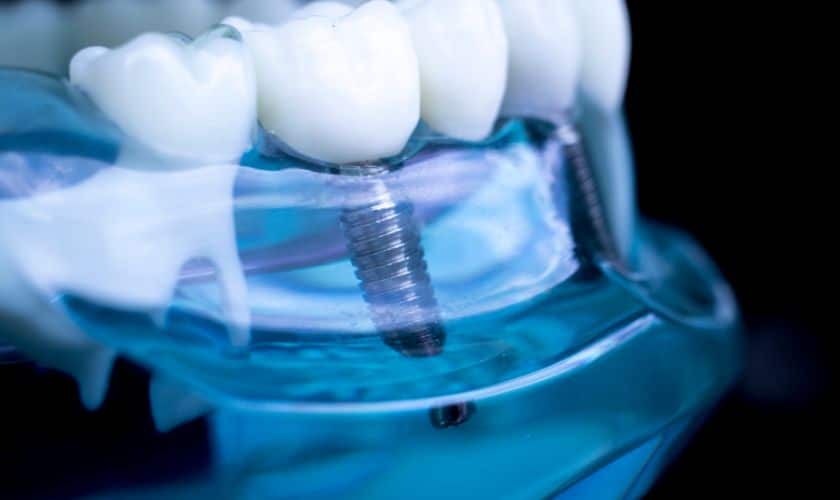
For adults with missing teeth, dental implants may be an option worth discussing with a dental professional. If you’re exploring dental implants in Hot Springs, a consultation can help determine whether this treatment is suitable for your oral health, bone condition, and individual needs.
Dental implants are designed to replace missing tooth roots and support replacement teeth. With proper care and regular dental visits, they can provide a stable, functional option for eligible patients.
Remember, looking after your own oral health is just as important as teaching your children to look after theirs.
8. Keep a Dental Care Kit Ready for Busy Days
Between school drop-offs, family outings, vacations, and after-school activities, maintaining a regular brushing schedule isn’t always convenient.
A simple solution is to keep a small dental care kit in your purse, car bag, or child’s backpack.
Include essentials such as:
- A travel-sized toothbrush.
- Fluoride toothpaste.
- Floss picks.
- A small container for storing dental supplies.
Having these items handy makes it easier to maintain good oral hygiene when your family is away from home. It’s also a helpful way to encourage children to take responsibility for their dental care.
Healthy Family Habits Start With Small Daily Steps
Teaching your family to care for their teeth doesn’t require an elaborate routine or expensive products. It starts with simple habits: brushing twice a day, flossing daily, choosing tooth-friendly foods, drinking more water, and visiting the dentist regularly.
As a parent, you have an important role in shaping your children’s approach to oral health. Be patient, lead by example, and celebrate the small improvements along the way.
If your family needs guidance on maintaining healthy teeth or addressing existing dental concerns, schedule a visit with your dental care team. A little attention today can help everyone enjoy healthier teeth and better oral health for years to come.
Frequently Asked Questions About Family Oral Hygiene
1. How often should the whole family brush their teeth?
Everyone in the family should brush their teeth twice a day for two minutes each time. Use fluoride toothpaste and a soft-bristled toothbrush. Children may need parental supervision to ensure they clean all tooth surfaces properly.
2. At what age should children start brushing their teeth?
Parents should begin cleaning their baby’s gums with a clean, damp washcloth before the first tooth appears. Once the first tooth erupts, start brushing twice daily with a soft infant toothbrush and a tiny smear of fluoride toothpaste.
3. How can I encourage my child to brush and floss regularly?
Make oral hygiene enjoyable by letting children choose their toothbrushes, playing a two-minute brushing song, and using reward charts. Brushing together as a family can also encourage children to develop consistent dental care habits.
4. Why are regular dental checkups important for the whole family?
Regular dental checkups help identify cavities, gum problems, and other oral health concerns before they become more serious. They also allow your dental professional to monitor children’s dental development and recommend preventive care based on individual needs.
5. What foods and drinks help maintain healthy teeth?
Foods such as cheese, plain yogurt, fresh vegetables, and nuts provide nutrients that support dental health. Drinking water, particularly fluoridated tap water, can also help protect teeth. Limiting sugary snacks and beverages helps reduce the risk of cavities.