Visit Diamond Lakes Dental Today Or Call 501-623-7113

The Science and Art of Teeth Whitening: Restoring the Brilliance

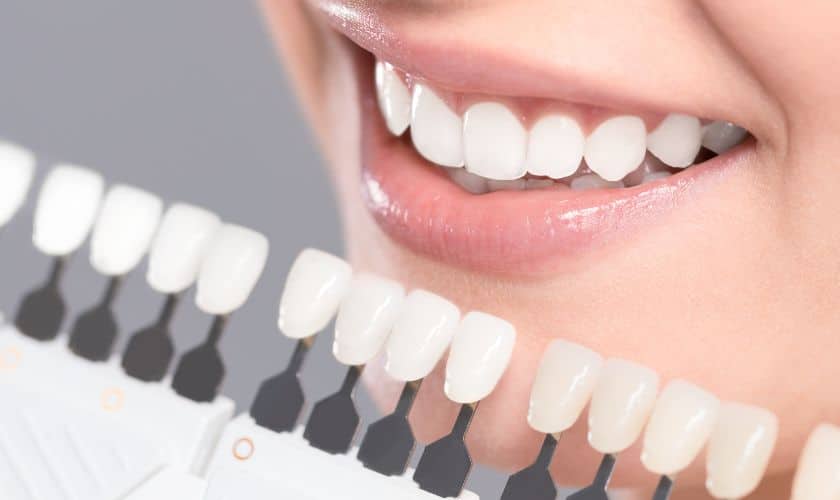
A dazzling smile has the power to light up a room, boost your confidence, and leave a lasting impression. While genetics play a role in determining the colour of your teeth, various factors, such as diet, lifestyle, and ageing, can cause teeth to lose their natural brilliance over time. Fortunately, the art and science of teeth whitening have evolved, offering effective solutions to restore your smile’s lustre.
Understanding the Science of Teeth Whitening
Teeth whitening, also known as dental bleaching, is a process that involves the removal of stains and discoloration from the enamel and dentin layers of the teeth. The science behind teeth whitening revolves around the use of specific compounds and methods to break down and remove these stains.
The primary stain-causing culprits include:
- Extrinsic Stains: These are surface stains caused by factors like smoking, consumption of dark-colored foods and beverages (such as coffee, tea, and red wine), and inadequate oral hygiene practices.
- Intrinsic Stains: These are deeper stains that occur within the tooth’s structure, often due to factors like aging, trauma, or exposure to certain medications during tooth development.
Whitening Agents
The key ingredient in most teeth whitening products is a whitening agent, typically hydrogen peroxide or carbamide peroxide. These agents penetrate the enamel and break down the stains into smaller, less visible particles. This process effectively lightens the tooth’s color.
Art of Customization
The art of teeth whitening lies in customization. Dentists tailor treatment plans to individual needs, taking into account the severity of staining and the patient’s desired outcome. Customization ensures that you achieve the right shade of white while minimizing sensitivity and discomfort.
Professional vs. Over-the-Counter Whitening
Professional teeth whitening, performed under the supervision of a dentist, often yields superior results compared to over-the-counter (OTC) products. Dentists can use higher-concentration whitening agents and provide custom-fitted trays that maximize contact with the teeth while minimizing contact with the gums, reducing the risk of sensitivity.
OTC products, such as whitening toothpaste, strips, and gels, can be less effective and may take longer to produce noticeable results. They also carry a higher risk of causing tooth sensitivity and gum irritation due to improper application.
Artistry in Shade Selection
When it comes to teeth whitening, choosing the right shade is an art in itself. The goal isn’t necessarily to achieve the brightest white but rather a shade that complements your natural features and skin tone. Dentists consider factors like your facial complexion, eye color, and lip tone to help you select a shade that enhances your overall appearance.
In-Office vs. At-Home Whitening
Teeth whitening can be performed in a dental office or at home with professional-grade products prescribed by a dentist. Both approaches have their merits:
- In-Office Whitening: In-office whitening offers the fastest and most dramatic results. Dentists can use powerful whitening agents and special light or laser systems to accelerate the process, often achieving significant improvement in a single visit.
- At-Home Whitening: At-home whitening kits provided by dentists offer the flexibility of performing treatments at your convenience. These kits typically involve custom-made trays filled with whitening gel, which you wear for a specified period each day or night. While results may take longer to become noticeable, at-home whitening can still achieve remarkable improvements.
Managing Sensitivity
Sensitivity is a common concern when it comes to teeth whitening. The art of teeth whitening includes managing and mitigating potential discomfort. Dentists often recommend:
- Lower Whitening Concentrations: Using lower concentrations of whitening agents to reduce sensitivity while still achieving noticeable results.
- Desensitizing Agents: The application of desensitizing agents before or after whitening to alleviate discomfort.
- Custom-Fitted Trays: Custom trays minimize contact with sensitive gum tissue, reducing the risk of irritation.
- Spacing Out Treatments: Spreading out whitening sessions over a longer period to minimize sensitivity.
Maintaining Whitening Results
The art of teeth whitening doesn’t end with the treatment itself. Maintaining your results is crucial. To extend the longevity of your bright smile:
- Practice Good Oral Hygiene: Brush and floss regularly to prevent new stains from forming.
- Limit Stain-Causing Foods and Drinks: Reduce your consumption of dark-colored beverages and foods that can stain teeth.
- Quit Smoking: If you smoke, quitting can prevent new extrinsic stains from forming.
- Regular Dental Check-Ups: Visit your dentist in Hot Springs, AR for routine check-ups and cleanings to monitor the health of your teeth and maintain your whitening results.
Conclusion:
Teeth whitening is a beautiful fusion of science and art, offering effective solutions to restore the brilliance of your smile. Whether you choose in-office or at-home treatments, the key to success lies in customization, careful selection of shades, and professional guidance. With the science of whitening agents and the art of customization, you can achieve a dazzling smile that radiates confidence and leaves a lasting impression.