Visit Diamond Lakes Dental Today Or Call 501-623-7113

Dental Implants for Older Adults: What to Consider Before Treatment

Missing teeth can make everyday activities, from enjoying your favorite meal to speaking comfortably, more difficult than they should be. As you get older, replacing missing teeth may become an important part of maintaining your oral health, comfort, and confidence.
The good news is that age alone does not determine whether you can replace missing teeth successfully. Your overall health, gum condition, jawbone strength, and personal goals all play a role in choosing the right treatment.
For older adults in Hot Springs, AR, understanding the options before making a decision can help you feel more prepared and confident about your dental care.
Are Dental Implants a Good Option for Older Adults?
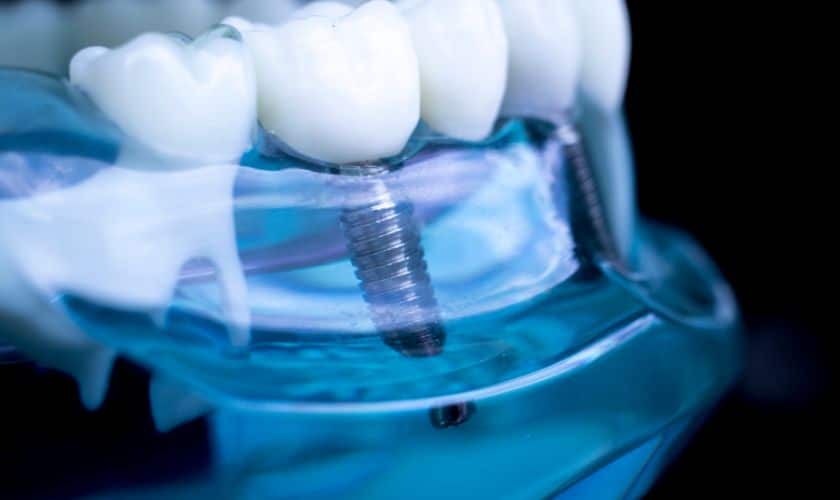
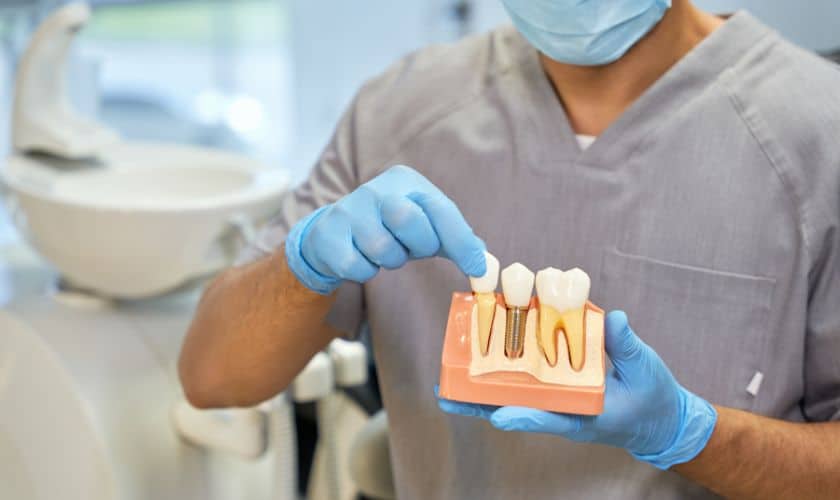
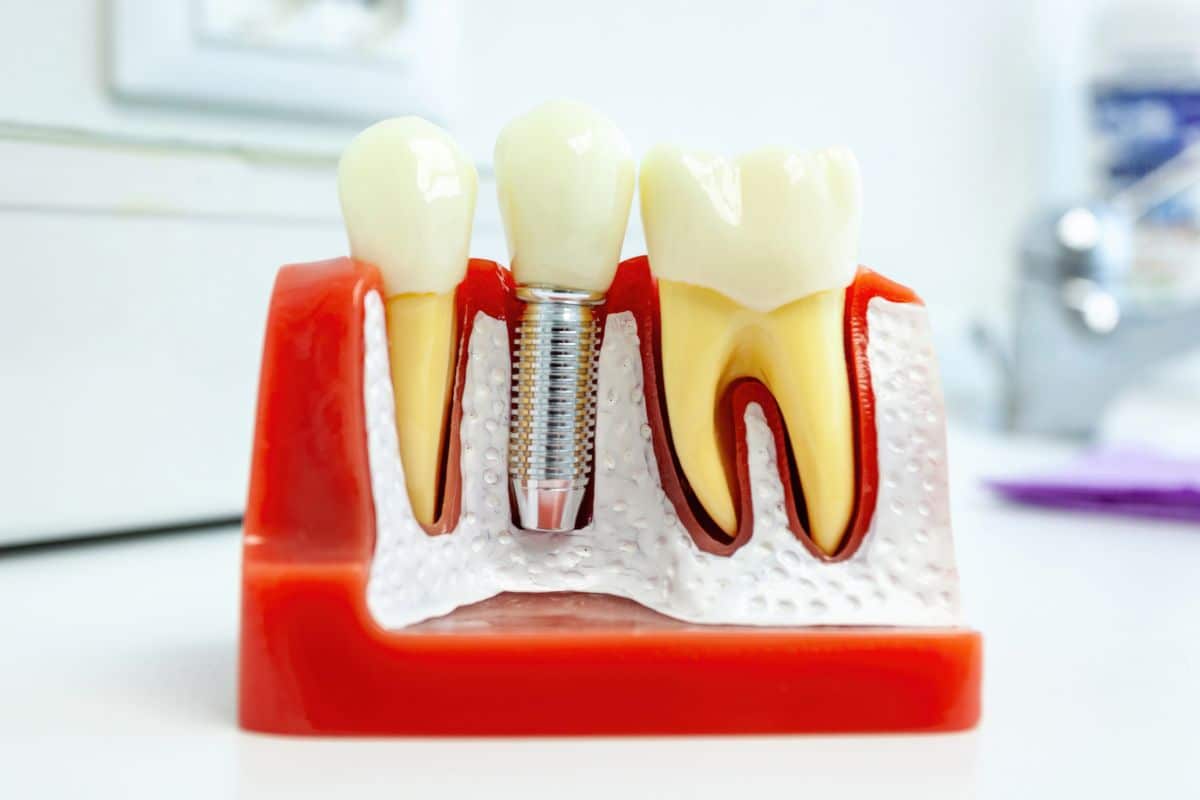
Dental implants are designed to replace missing tooth roots with small posts placed in the jawbone. After healing, these posts can support replacement teeth, such as individual crowns, bridges, or implant-supported dentures.
For many older adults, this treatment can offer several benefits:
- Improved chewing: Replacement teeth can make it easier to enjoy a wider variety of foods.
- A secure fit: Implant-supported restorations can reduce the slipping and movement sometimes associated with traditional dentures.
- Support for jawbone health: Implants can help reduce bone loss in the area where teeth are missing.
- Natural-looking results: Replacement teeth are designed to complement your existing teeth and facial features.
- Long-term function: With proper care and regular professional monitoring, implants can provide lasting support.
However, implants are not the right choice for everyone. A thorough evaluation is necessary to determine whether the treatment fits your needs.
What Should You Consider Before Treatment?
Your Overall Health
Your general health is an important part of treatment planning. Certain medical conditions may affect healing, while some medications can influence your oral health or surgical risks.
During your consultation, discuss your medical history and any medications you take. Conditions such as diabetes may require additional consideration, particularly if blood sugar levels are not well controlled.
Do not stop or change prescribed medication without speaking with your medical provider.
Your Gum Health and Jawbone Strength
Healthy gums and adequate jawbone support are important for implant treatment. If you have gum disease or significant bone loss, additional treatment may be needed before an implant can be placed.
Your dental provider may recommend dental imaging and a comprehensive examination to evaluate the condition of your mouth.
If your jawbone has weakened over time, bone grafting may be an option in some cases. Your provider can explain whether this additional procedure is appropriate for you.
Your Healing and Recovery Time
Implant treatment usually involves a healing period before the final replacement tooth can be attached. The timeline varies depending on your oral health, the number of implants, and whether additional procedures are needed.
Before treatment, ask what recovery may look like and whether you will need help with transportation or daily activities after surgery.
Planning ahead can make recovery more comfortable, especially if you live alone or have limited support at home.
Your Current Dentures or Missing Teeth
If you already wear dentures, you may wonder whether implants can improve their stability. In some cases, implants can support a removable denture or a fixed restoration.
Your treatment options will depend on how many teeth are missing, the condition of your remaining teeth, and your jawbone health.
Bring your current dentures to your consultation if you would like your provider to evaluate their fit and discuss alternatives.
Your Budget and Long-Term Maintenance
The total cost of treatment depends on factors such as the number of implants, the type of restoration, imaging, and any additional procedures.
Ask for a written treatment plan that explains the expected costs, payment options, and follow-up appointments. It is also helpful to understand how your dental benefits may apply, since coverage varies by plan.
Remember that implants still require daily cleaning and regular professional care. Good maintenance helps protect the surrounding gums and tissues.
How to Prepare for an Implant Consultation in Hot Springs
A little preparation can help you get more from your visit. Before meeting with a dentist Hot Springs AR residents can consult for personalized treatment guidance, consider making a list of your questions and concerns.
Here is a helpful checklist:
- Bring a current list of medications and relevant medical conditions.
- Explain any previous dental surgeries or difficulties with dentures.
- Share whether you have trouble chewing certain foods.
- Ask about the expected treatment and healing timeline.
- Discuss any transportation or aftercare support you may need.
- Request information about costs, maintenance, and alternative treatments.
For residents around Hot Springs, planning appointments around work, family commitments, or trips through the area can also help make follow-up care easier to manage.
Most importantly, make sure you understand your options before agreeing to treatment. A good consultation should leave you feeling informed, not pressured.
Are There Alternatives to Implant Treatment?
Yes. Depending on your needs, traditional dentures, partial dentures, or dental bridges may be suitable alternatives.
Each option has different benefits, limitations, maintenance requirements, and costs. For example, a traditional denture may be less invasive initially, while a bridge may work well when suitable supporting teeth are present.
Your provider can compare these options with implant treatment and help you decide what makes sense for your oral health, lifestyle, and budget.
Frequently Asked Questions
Can adults in their seventies or eighties get implants?
Yes, some adults in their seventies or eighties can be candidates. Overall health, gum condition, bone support, and healing considerations matter more than age alone.
Is implant treatment painful for older adults?
The procedure is generally performed with local anesthesia, so discomfort during placement is managed. Some soreness or swelling afterward is common. Your provider can discuss appropriate pain management and recovery instructions based on your health.
How long do dental implants last?
Implants can last for many years with proper care, although their longevity varies. Regular checkups, daily cleaning, healthy gums, and avoiding tobacco can help support long-term success.
What if I have bone loss in my jaw?
Bone loss does not automatically rule out treatment. Depending on its severity and location, bone grafting or other treatment approaches may be considered after an examination and appropriate imaging.
Can implants replace all my missing teeth?
In some cases, several missing teeth or a full arch can be replaced using implant-supported restorations. The number and placement of implants depend on your bone health, treatment goals, and individual clinical needs.
Take the Next Step Toward Comfortable Eating
Getting older should not mean giving up the comfort of eating your favorite foods or feeling confident about your teeth. The right tooth replacement option can help you maintain oral function and support your quality of life.
At Diamond Lakes Dental, you can discuss your concerns, explore available treatment options, and learn whether implants are appropriate for your needs. Book a consultation today to take the next step toward a healthier, more comfortable future.