Visit Diamond Lakes Dental Today Or Call 501-623-7113

How Gum Disease Therapy Can Help Save Your Natural Teeth

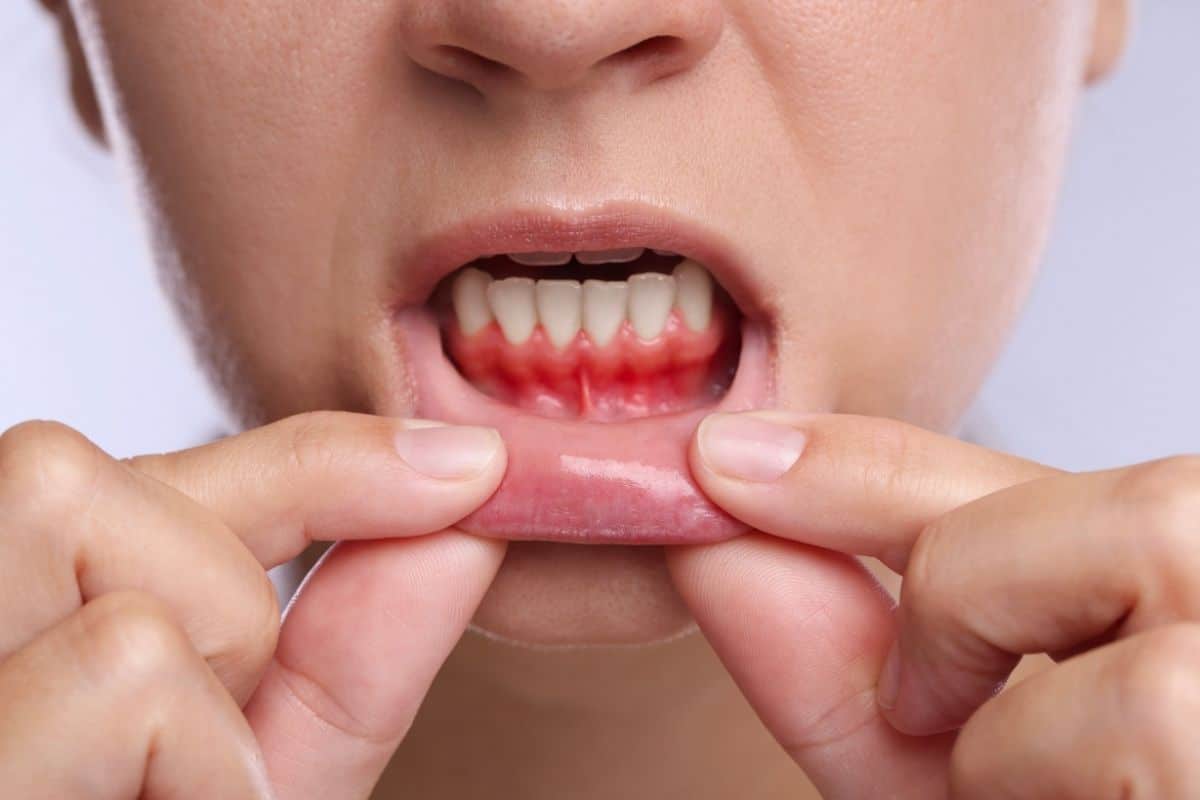
Healthy teeth rely on more than brushing and flossing. The strength of every tooth begins with healthy gums that support and protect it every day. When gum problems develop, they often progress quietly, causing damage long before noticeable symptoms appear. Many people ignore bleeding gums or occasional tenderness, assuming the problem will disappear on its own. Unfortunately, that delay can allow infection to spread deeper beneath the gumline.
The good news is that modern dental care makes it possible to stop gum disease before it causes permanent tooth loss. With early diagnosis and professional treatment, your gums can heal, inflammation can be reduced, and your natural teeth can remain healthy for years to come. Whether you have noticed bleeding while brushing or have been told you have early periodontal disease, seeking professional care now can make a significant difference in your long-term oral health.
If you’re looking for a dentist for gum disease, choosing a practice that provides personalized periodontal care can help preserve your natural teeth while preventing future complications.
Why Healthy Gums Matter More Than You Think
Your gums act as the foundation that keeps every tooth stable. When bacteria build up along the gumline, they can trigger inflammation that damages both the soft tissue and the bone supporting your teeth.
Without treatment, gum disease can gradually lead to:
- Persistent bad breath
- Bleeding during brushing or flossing
- Swollen or tender gums
- Gum recession
- Loose teeth
- Bone loss around the teeth
- Eventual tooth loss
Many patients don’t realize how advanced gum disease has become until these symptoms begin affecting everyday life.
Understanding Gum Disease
Gum disease begins with plaque—a sticky film filled with bacteria that naturally forms on teeth. If plaque isn’t removed through daily brushing, flossing, and routine dental cleanings, it hardens into tartar. Once tartar develops below the gumline, it cannot be removed at home.
The bacteria continue irritating the gums, causing infection that slowly spreads deeper into the tissues supporting your teeth.
The earlier treatment begins, the easier it is to protect your natural smile.
How Gum Disease Therapy Helps Save Your Teeth
Professional gum disease therapy focuses on removing harmful bacteria, controlling infection, and allowing the gums to heal naturally.
Treatment is designed to:
- Remove plaque and hardened tartar beneath the gums
- Reduce inflammation
- Eliminate harmful bacteria
- Prevent further bone loss
- Help gums reattach to the teeth
- Lower the risk of future infections
By treating the disease early, dentists can often stop the progression before permanent damage occurs.
Signs You Shouldn’t Ignore
Many symptoms seem minor at first but can signal developing periodontal disease.
Watch for:
- Gums that bleed while brushing
- Persistent bad breath
- Tender or swollen gums
- Receding gums
- Teeth appearing longer than before
- Loose or shifting teeth
- Pain while chewing
- Sensitivity near the gumline
If you notice any of these concerns, scheduling an evaluation sooner rather than later can help preserve your natural teeth.
Common Gum Disease Treatments
Every patient has unique needs, so treatment depends on the severity of the infection. Some of the most effective gum disease treatments include:
Professional Dental Cleaning
For early gum inflammation, a thorough cleaning removes plaque and tartar before the disease progresses.
Scaling and Root Planing
Often called a deep cleaning, this procedure removes bacteria below the gumline while smoothing the tooth roots to encourage healing.
Antibacterial Therapy
Prescription antimicrobial medications may be recommended to reduce bacterial infection during treatment.
Periodontal Maintenance
Patients with a history of gum disease benefit from ongoing maintenance visits that help prevent future flare-ups.
Why Early Treatment Makes All the Difference
One of the biggest misconceptions is believing loose teeth always require extraction. In many cases, treating gum disease early allows patients to keep their natural teeth much longer.
Early treatment helps:
- Protect the jawbone
- Reduce inflammation
- Improve gum attachment
- Prevent tooth mobility
- Support better overall health
- Lower future dental costs
Protecting your natural teeth is almost always easier than replacing them later.
Everyday Habits That Support Healthy Gums
Professional care works best when paired with good habits at home.
Simple ways to maintain healthy gums include:
- Brush gently twice each day.
- Floss daily.
- Drink plenty of water.
- Avoid tobacco products.
- Eat foods rich in vitamins and minerals.
- Schedule routine dental exams and cleanings.
- Don’t ignore bleeding gums.
Consistency makes a significant difference in preventing future gum problems.
Why Gum Care Matters in Hot Springs
Life in Hot Springs often means enjoying outdoor recreation, community events, and family gatherings throughout the year. Maintaining healthy gums allows you to comfortably enjoy local restaurants, socialize with confidence, and stay focused on the activities you love without the discomfort of untreated dental problems.
Routine preventive care is especially valuable for busy families and working professionals who want to avoid unexpected dental emergencies and preserve their natural teeth for years to come.
Frequently Asked Questions
Does gum disease always cause tooth loss?
No. When diagnosed early, professional treatment can stop the infection and help preserve your natural teeth.
Is gum disease therapy painful?
Most patients experience very little discomfort. Modern techniques and local anesthesia help keep treatment comfortable.
How often should I have periodontal maintenance?
Your dentist will recommend a schedule based on your oral health, but many patients benefit from more frequent cleanings after treatment.
Can gums heal after treatment?
Healthy gum tissue can improve significantly once infection is removed, especially when treatment begins early and home care remains consistent.
Who is more likely to develop gum disease?
Smoking, diabetes, poor oral hygiene, genetics, certain medications, and skipping regular dental visits all increase the risk.
Protect Your Teeth Before Small Problems Become Bigger Ones
Healthy gums are the key to keeping your natural teeth strong for life. Waiting until discomfort becomes severe often means more complex treatment later. Taking action today can protect your oral health, improve your comfort, and help you avoid unnecessary tooth loss.
If you’ve noticed bleeding gums, tenderness, or other warning signs, schedule an appointment with Diamond Lakes Dental today. Our caring team is committed to helping you protect your natural teeth with personalized periodontal care that keeps your oral health on the right track.