Visit Diamond Lakes Dental Today Or Call 501-623-7113

What Is Periodontal Disease? Symptoms, Causes, and Treatment Options


Healthy gums do more than frame your teeth—they help hold your entire mouth together. When gums become swollen, tender, or prone to bleeding, it may be easy to brush those signs off as minor irritation. But persistent gum changes can be your mouth’s way of asking for attention.
At Diamond Lakes Dental, we believe understanding what is happening in your gums can make it easier to seek care before a small concern becomes a bigger dental problem. Here’s what to know about periodontal disease, including warning signs, common causes, and treatment options.
What Is Periodontal Disease?
Periodontal disease is a bacterial infection and inflammation affecting the gums and the tissues that support your teeth. It can begin as gingivitis, when plaque irritates the gumline. Without appropriate care, the infection can progress and affect the bone supporting your teeth.
Early gum problems may not cause much discomfort, which is one reason routine dental visits matter. A dentist can identify changes that may be difficult to notice at home.
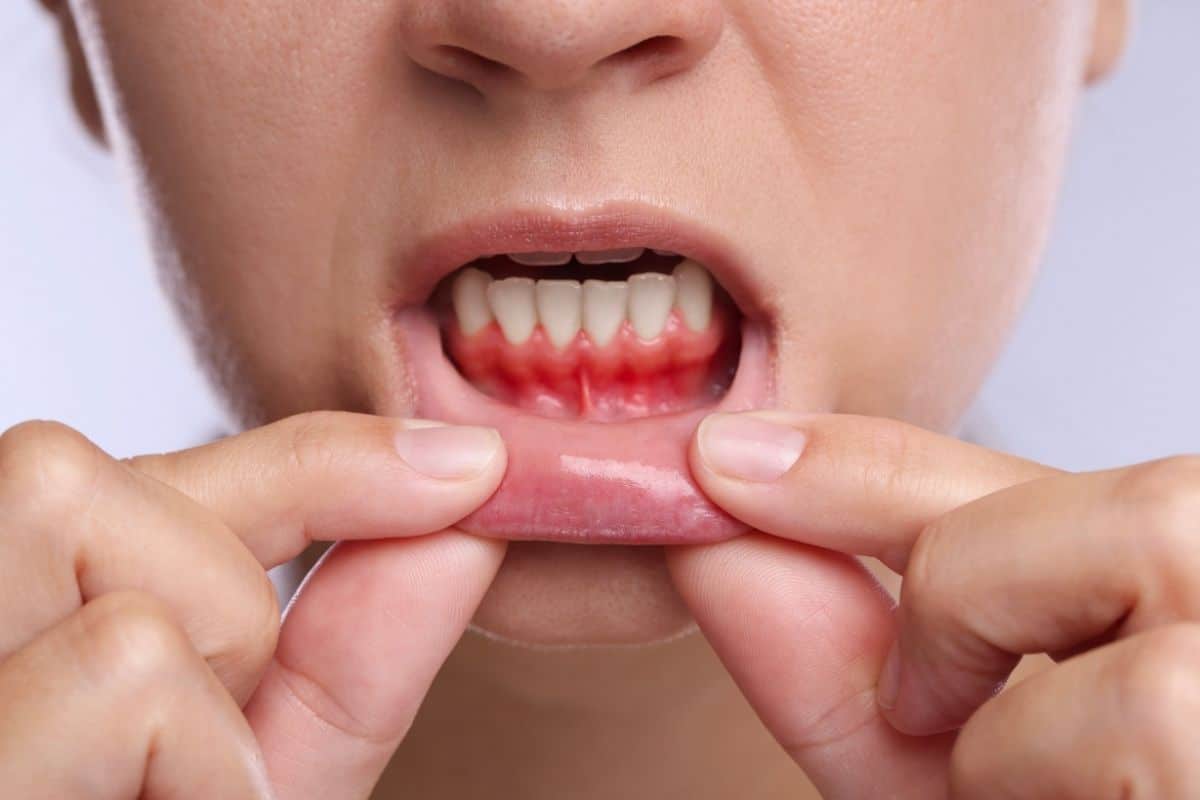
If you notice bleeding when brushing, persistent bad breath, or gums that look red or swollen, it is worth discussing these changes with a dental professional.
Common Signs to Watch For
Your gums can provide important clues about your oral health. Keep an eye out for:
- Bleeding during brushing or flossing
- Red, swollen, or tender gums
- Persistent bad breath or an unpleasant taste
- Gums that appear to pull away from the teeth
- Teeth that feel loose or different when biting
- Changes in how your teeth fit together
- Pus around the gumline
- Increased tooth sensitivity
- New spaces appearing between teeth
A quick self-check: Look at your gums in a well-lit mirror. Do they appear firm and healthy, or are they noticeably swollen, red, or pulling away from your teeth? If something has changed and does not improve, schedule a dental evaluation.
What Causes Gum Problems?
Plaque is one of the main contributors. This sticky film contains bacteria that can irritate the gums when it is not adequately removed through brushing and cleaning between the teeth.
Over time, plaque can harden into tartar. Unlike plaque, tartar cannot simply be brushed away at home and generally requires professional removal.
Other factors can also increase the risk of gum problems, including:
- Inconsistent brushing and flossing
- Tobacco use
- Certain medications
- Hormonal changes
- Family history
- Poorly controlled blood sugar
- Crowded or difficult-to-clean teeth
- Delaying routine dental appointments
The good news is that identifying risk factors early can make prevention and treatment much easier.
How Is Gum Disease Treated?
Treatment depends on the condition of your gums and how far the infection has progressed. Your dentist will typically examine your gums, check for signs of inflammation, and evaluate the supporting structures around your teeth.
Depending on your needs, gum disease therapy may include:
Professional Dental Cleaning
For early gum inflammation, a professional cleaning combined with improved home care may be enough to help restore healthier gums.
Deep Cleaning
When bacteria and tartar have accumulated below the gumline, a deeper cleaning may be recommended. This helps clean areas that regular brushing cannot reach.
Ongoing Periodontal Maintenance
Patients with a history of gum problems may benefit from scheduled periodontal maintenance appointments. These visits help control plaque and tartar buildup and allow your dental team to monitor changes.
Advanced Treatment
More advanced cases may require additional periodontal treatment. Your dentist can explain the appropriate approach based on your gum health, bone support, and individual needs.
What Can You Do at Home?
Professional care is only part of maintaining healthy gums. Your everyday routine matters, too.
- Brush your teeth gently twice daily with fluoride toothpaste.
- Clean between your teeth every day.
- Replace your toothbrush when the bristles become worn.
- Avoid tobacco products.
- Keep regular dental appointments.
- Pay attention to changes in your gums.
- Tell your dentist about persistent bleeding or swelling.
Avoid aggressive brushing. More pressure does not mean better cleaning and can irritate your gums.
Why Local Dental Care Matters in Hot Springs
For families in Hot Springs and surrounding communities, having a dental office nearby makes it easier to stay consistent with preventive care. Regular visits can help your dental team monitor gum health over time instead of waiting until discomfort forces you to seek treatment.
Whether you live near downtown Hot Springs, Lakeside, or the surrounding Hot Springs area, addressing gum concerns early can help protect your natural teeth and keep everyday dental care on track.
If you are searching for a dentist for gum disease, look for a practice that can evaluate your current gum health and create a treatment plan based on your specific needs.
Frequently Asked Questions
Can gum problems cause tooth loss?
Yes. Advanced infection can damage the tissues and bone that support teeth. Early evaluation and appropriate treatment can help reduce the risk of progressive damage.
Do healthy gums bleed when brushing?
Regular bleeding is not something you should simply ignore. It can be associated with gum inflammation and should be discussed with your dentist, particularly when it continues.
Can gum disease go away on its own?
Mild gum inflammation may improve with better oral hygiene, but persistent symptoms should be professionally evaluated. Hardened tartar requires professional removal.
Is deep cleaning painful?
Some patients experience sensitivity during or after a deep cleaning. Your dental team can discuss ways to keep you comfortable throughout treatment.
How can I prevent gum problems?
Consistent brushing, daily cleaning between the teeth, routine professional cleanings, avoiding tobacco, and addressing dental concerns early can all support healthier gums.
Protect Your Gums Before Small Changes Become Bigger Problems
Bleeding, swelling, tenderness, and persistent bad breath deserve attention—even when your teeth do not hurt. Taking action early can make treatment more manageable and help protect the natural foundation supporting your teeth.
If you have noticed changes in your gums or it has been a while since your last dental evaluation, Diamond Lakes Dental is here to help. Book an appointment today for a personalized evaluation and take the next step toward healthier gums.