Visit Diamond Lakes Dental Today Or Call 501-623-7113

Why Gum Health Matters and How a Dentist Visit Can Help

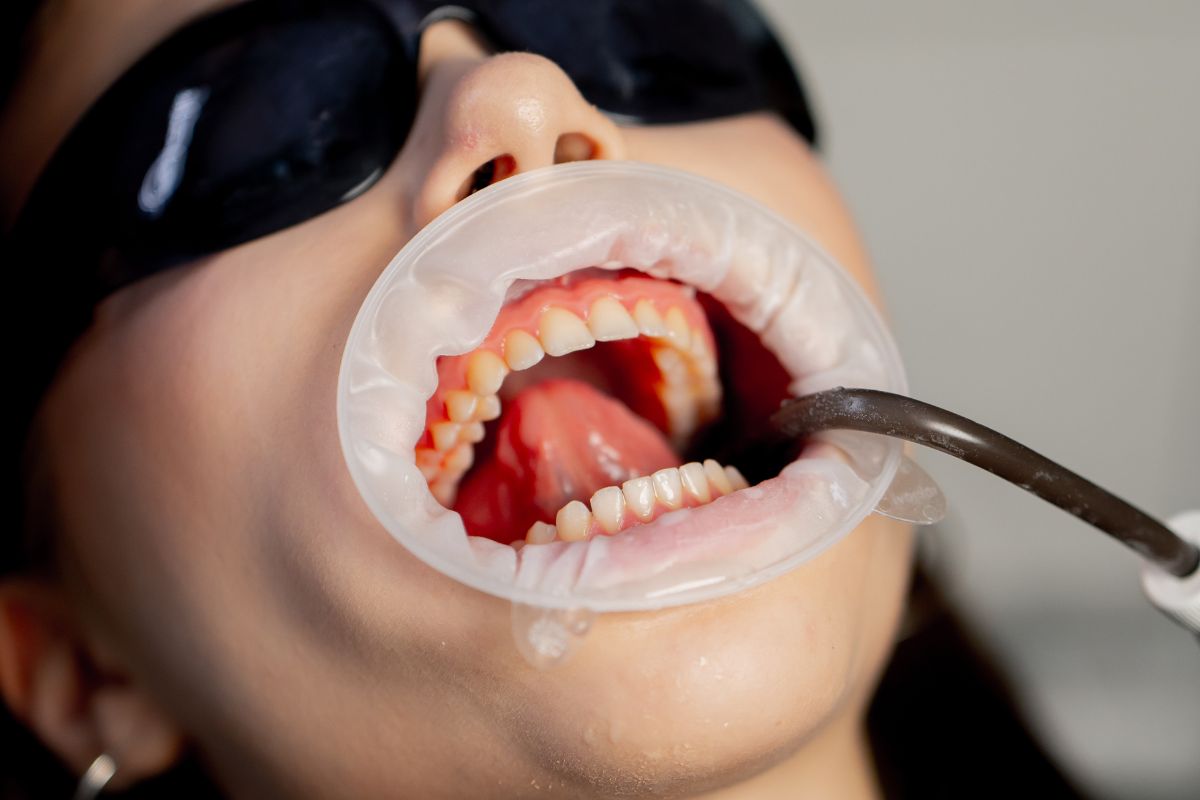
Healthy gums do more than keep your smile looking good. They hold your teeth in place, protect the bone under them and help stop harmful bacteria from entering your body. Many people do not notice gum changes until the signs become clear. A skilled dentist hot springs patients trust sees gum issues every day and knows how fast they can grow. The good news is that most gum problems start small and can be managed early with the right care and habits.
This guide explains why gum health matters, how gum issues begin and what steps help you protect your smile. You will also learn how regular visits to a hot springs dentist support long-term oral health.
Why Gum Health Is So Important
Your gums act as a seal around each tooth. They protect the roots, bone and tissues under the surface. When gums weaken, the support system weakens too. Healthy gums:
- Hold teeth firmly
- Support the bone
- Help stop infection
- Keep your breath fresh
- Improve your overall health
When gums break down, problems start to appear. Early signs are easy to miss, which is why your dental visits matter even when you feel fine.
Common Signs of Gum Trouble
Many people ignore early symptoms because they feel mild or do not hurt. Look out for:
- Red or swollen gums
- Bleeding when brushing or flossing
- Bad breath
- Tender gums
- Receding gums
- A loose tooth
- Sensitivity to hot or cold
These signs show that the gums are under stress. When the gums pull back or bleed, bacteria enter the spaces around the roots. This leads to deeper infection that can cause tooth loss over time.
What Causes Gum Problems
1. Plaque and bacteria
Plaque forms every day. It sticks to teeth and gums, feeding on food left in the mouth. If plaque is not cleaned well, it hardens into tartar. This irritates the gums and starts gum disease.
2. Poor brushing habits
If brushing is rushed or done without proper technique, plaque stays behind. This allows bacteria to grow.
3. Skipping flossing
Flossing reaches between teeth where the brush cannot. Without flossing, plaque stays in tight spaces and irritates gum tissue.
4. Tobacco use
Smoking and other tobacco products slow healing and increase gum infection risk.
5. Stress
Stress affects how your body fights infection. Gums weaken when stress levels stay high.
6. Health issues
Diabetes, hormonal changes and certain medicines make gums more sensitive to infection.
How a Dentist Visit Helps Protect Gum Health
Routine dental visits play a major role in preventing gum disease. A trained dentist hot springs residents trust checks for early symptoms that are hard to spot at home. These early checks save time, pain and money.
Professional cleanings
Cleanings remove plaque and tartar that regular brushing misses. This helps stop gum inflammation and keeps bacteria from spreading.
Gum exams
Your dentist measures gum pockets to see how far infection may have progressed. Small changes reveal early gum disease.
X-rays
X-rays help detect bone loss, hidden decay or infections under the gum line.
Advice based on your mouth
A hot springs dentist offers simple tips that match your daily routine. This includes brushing style, flossing technique and lifestyle changes that make a difference.
Early treatment
If needed, your dentist may deep clean the gums, treat infections or plan follow-up visits to keep the gums healthy.
Daily Habits That Support Gum Health
Good gum health starts at home. These steps help lower the chance of gum disease:
Brush twice a day
Use a soft brush and fluoride toothpaste. Brush gently for two minutes. Hard brushing can hurt the gums.
Floss once a day
Flossing removes plaque between the teeth and under the gum line.
Use mouthwash
A gentle, alcohol-free rinse helps reduce bacteria.
Choose healthy foods
Fresh fruits, vegetables and water help clean the mouth and support gum health. Sugary snacks feed bacteria.
Stay hydrated
Drinking water helps wash away food and supports saliva, which protects gums.
Quit smoking
This is one of the best things you can do for your gums and overall health.
Why Early Action Matters
Gum disease grows in stages. When caught early, it is simple to treat. When ignored, it turns into a deeper infection that can lead to bone loss and loose teeth.
Early gum disease is called gingivitis. At this stage, gums may look red or bleed. With proper cleaning and care, gingivitis is reversible.
Advanced gum disease is called periodontitis. At this point, the infection spreads deeper, harming the bone. Treatment becomes more complex and takes longer.
A routine visit to a hot springs dentist helps catch these changes before they cause long-term damage.
If you notice bleeding gums, swelling or changes in your smile, schedule a visit soon. Early care helps protect your teeth and lowers the chance of future problems.
How Helps Support Gum Health
Diamond Lakes Dental provides care that supports strong gum health for people of all ages. Their team checks for early signs of gum disease, performs cleanings and gives guidance on daily habits that protect your mouth. Their goal is to help you understand your gum health and make choices that keep your smile strong.
They offer cleanings, exams, gum treatments and support for people with early or advanced gum issues. Their approach focuses on comfort, clarity and long-term wellness.
How Gum Health Affects the Rest of Your Body
Gum health connects to whole-body health. When gums become infected, bacteria can enter the bloodstream and spread. Research links gum disease to several conditions, including:
- Heart problems
- Diabetes complications
- Breathing issues
- Pregnancy challenges
Taking care of your gums supports your entire body. Strong gums help you chew, speak and smile with confidence.
Frequently Asked Questions
1. What is the main cause of gum disease?
Plaque is the main cause. When plaque is not removed, it irritates the gums and leads to infection.
2. Can gum disease be reversed?
Early gum disease can be reversed with cleanings and good home care. Advanced cases need more treatment.
3. How often should I visit a dentist for gum checks?
Most people need a checkup every six months. Some need more visits if they have gum problems.
4. Do bleeding gums mean I have gum disease?
Bleeding is a common early sign. It means the gums are irritated and need attention.
5. Can kids get gum disease?
Yes. Poor brushing habits, diet and genetics can affect gum health in children.
6. How do I make my gums healthier?
Brush, floss, use mouthwash and see your dentist regularly.
7. Can stress harm gum health?
Yes. Stress lowers your body’s ability to fight infection, including gum infection.
Conclusion
Healthy gums are the foundation of a strong smile. Simple daily habits and routine visits help stop small problems from growing into serious issues. When you stay aware of symptoms and take action early, you protect both your oral health and your overall well-being.
If you notice changes in your gums, feel tenderness or want to learn more about your gum health, schedule a visit with a dentist hot springs patients trust. A caring hot springs dentist will guide you, answer questions and help you keep your gums healthy for years to come.