Visit Diamond Lakes Dental Today Or Call 501-623-7113

What Does It Mean If My Gums Are Receding?

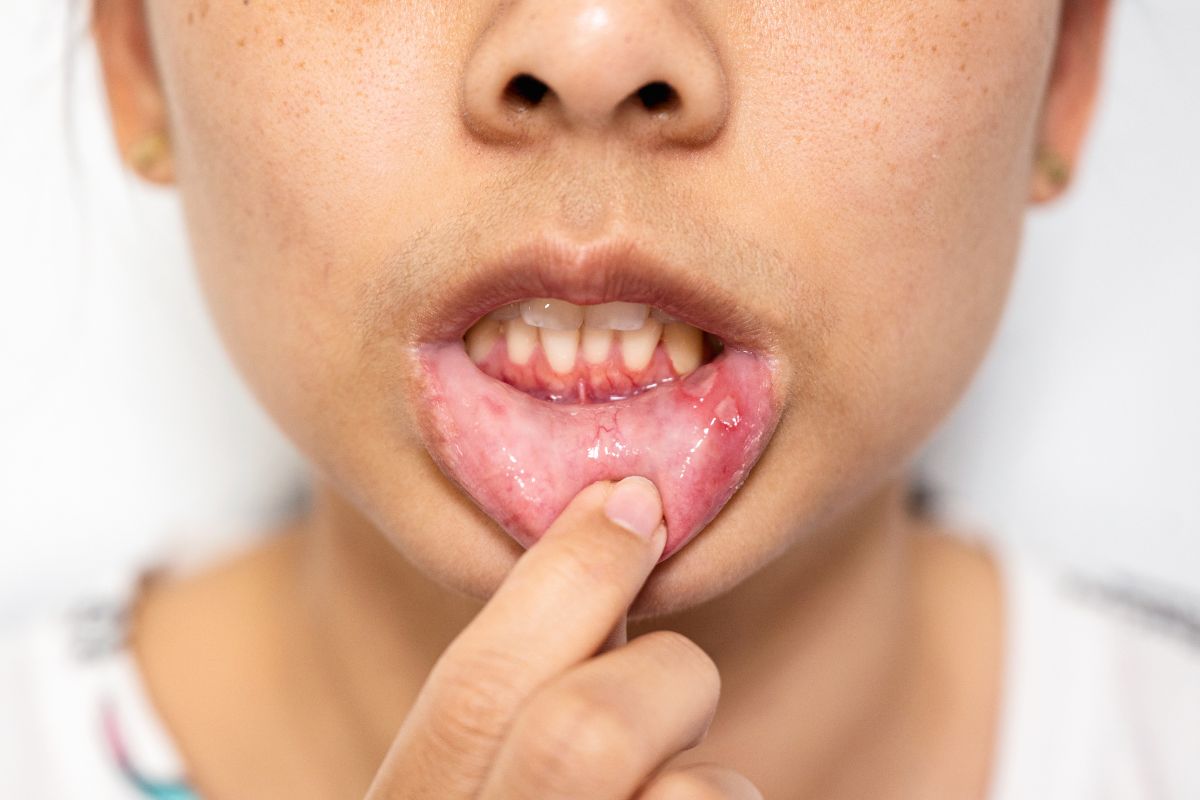
Have you noticed your teeth looking longer than before? Or maybe your gums seem to be pulling away from your teeth? These could be signs of gum recession, a condition that often develops slowly but can have serious effects if left untreated. Many people ignore early symptoms until they start feeling sensitivity or notice visible changes in their smile. Understanding what causes receding gums and how to treat them is key to keeping your mouth healthy.
Your gums play an important role in protecting your teeth and bone. When they start to recede, the roots of your teeth can become exposed, leading to discomfort, decay, and even tooth loss. Let’s explore what it really means when your gums recede, why it happens, and what steps you can take to protect your oral health with the help of a trusted dentist.
What Is Gum Recession?
Gum recession happens when the gum tissue surrounding your teeth pulls back, exposing more of the tooth or its root. This condition is often gradual, so many people don’t realize it’s happening until their gums are noticeably lower or they start feeling tooth sensitivity.
While it might seem like a minor issue at first, gum recession is actually a sign that your gums are under stress or infection. Without proper care, the supporting structures of your teeth can weaken, leading to more serious problems over time.
Common Causes of Receding Gums
There’s no single cause of gum recession. It often results from a combination of habits, genetics, and oral health issues. Here are the most common reasons your gums may begin to recede:
- Poor Oral Hygiene
Inconsistent brushing or flossing can cause plaque and tartar buildup. Over time, this leads to gum inflammation and disease that weakens gum tissue. - Brushing Too Hard
Using too much force or a hard-bristled toothbrush can wear away gum tissue and enamel. Gentle brushing is more effective and less damaging. - Gum Disease
Periodontal disease is the leading cause of gum recession. Bacteria from plaque infection destroy gum tissue and supporting bone, causing gums to pull away from teeth. - Tobacco Use
Smokers are more likely to develop gum problems because tobacco reduces blood flow and healing ability, making the gums more vulnerable. - Teeth Grinding (Bruxism)
Grinding or clenching puts pressure on teeth and gums, causing them to recede over time. - Misaligned Teeth or Bite Issues
When teeth don’t align properly, pressure is uneven during chewing, stressing the gums and bone. - Hormonal Changes
Changes during pregnancy, puberty, or menopause can make gums more sensitive and prone to recession.
If you notice any of these risk factors, it’s important to schedule an appointment with a dentist before the condition worsens.
Signs and Symptoms of Receding Gums
Gum recession can be easy to miss in its early stages. Keep an eye out for these signs:
- Teeth that appear longer than before
- Increased sensitivity to hot, cold, or sweet foods
- Exposed roots
- Swollen, red, or tender gums
- Bad breath that doesn’t go away
- Loose or shifting teeth
Even mild symptoms should not be ignored. Early detection makes treatment easier and more effective.
How Gum Recession Affects Your Oral Health
When your gums recede, your tooth roots lose their protective covering. This exposure leads to sensitivity and increases the risk of decay. Receding gums can also weaken the bone structure around your teeth, making them more likely to loosen or fall out.
If left untreated, gum recession can progress into advanced periodontal disease, which may require surgical intervention. Seeing a dentist for early diagnosis helps preserve your natural teeth and maintain a healthy smile.
Treatment Options for Receding Gums
Treatment depends on the cause and severity of the gum recession. Your dental team will first determine what’s causing it and then recommend an appropriate solution.
- Deep Cleaning (Scaling and Root Planing)
This treatment removes plaque and tartar from below the gumline, allowing gums to heal and reattach to teeth. - Gum Graft Surgery
In severe cases, a gum graft may be needed. Tissue from another area of your mouth is attached to cover exposed roots and restore the gumline. - Desensitizing Treatments
If sensitivity is your main issue, special toothpaste or fluoride treatments can help protect the exposed roots. - Orthodontic Correction
If misaligned teeth or bite issues are contributing to gum stress, braces or aligners may help correct the problem. - Lifestyle Changes
Quitting smoking, improving oral hygiene, and using a soft-bristled toothbrush can help prevent further damage.
A qualified Seattle dentist will guide you through each step of your treatment plan to ensure your gums recover properly.
Can Receding Gums Grow Back?
Unfortunately, once gum tissue is lost, it doesn’t grow back naturally. However, treatment can stop further recession and help restore your gumline through grafting or regeneration procedures. Maintaining good oral hygiene and regular dental visits are essential to prevent additional damage.
How to Prevent Gum Recession
Preventing gum recession starts with daily care and professional checkups. Follow these simple steps to keep your gums healthy:
- Brush gently twice a day using a soft-bristled toothbrush.
- Floss daily to remove plaque from between teeth.
- Use fluoride toothpaste for stronger enamel and roots.
- Avoid smoking or using tobacco products.
- Get regular professional cleanings and exams.
- Address grinding or clenching with a night guard if needed.
Small habits make a big difference when it comes to preserving your gums and smile.
The Role of Regular Dental Visits
Many people underestimate how important routine dental care is for gum health. During regular checkups, your dentist can spot early signs of gum recession, plaque buildup, or inflammation before they become major issues.
Professional cleanings remove hardened tartar that regular brushing can’t reach, keeping your gums free from infection. Regular visits also give you the opportunity to discuss your brushing habits, diet, and any changes in your oral health.
FAQs About Receding Gums
1. Can receding gums cause tooth loss?
Yes. If left untreated, gum recession can damage the supporting bone around your teeth, leading to tooth loss.
2. Are receding gums always caused by gum disease?
Not always. Brushing too hard, grinding teeth, and genetic factors can also lead to gum recession.
3. How can I tell if my gums are receding?
You might notice teeth appearing longer or increased sensitivity. Your dentist can confirm it during a checkup.
4. Does gum recession hurt?
It can cause sensitivity, but not always pain. However, pain may appear if roots are exposed or infection develops.
5. Can I stop my gums from receding further?
Yes. With proper care, you can stop the progression and protect remaining gum tissue.
6. How long does gum graft surgery take to heal?
Most people recover in one to two weeks, depending on the procedure and how well they follow aftercare instructions.
7. Can mouthwash help with gum recession?
Antibacterial mouthwash can reduce bacteria and inflammation, but it won’t reverse gum loss. It works best alongside regular dental care.
Conclusion
Gum recession is more common than most people realize, but it’s also preventable and treatable. The key is not to ignore the warning signs. If you notice gum sensitivity, exposed roots, or your teeth looking longer, it’s time to act.
Schedule an appointment with a trusted dentist to get a professional evaluation. Early care can stop further damage, restore comfort, and help you keep your smile healthy for years to come.