Visit Diamond Lakes Dental Today Or Call 501-623-7113

How Long Do Dental Implants Last? Dentist Shares Key Insights

Dental implants are one of the strongest tooth replacement options available today. Many people in Hot Springs choose them because they look and feel close to real teeth. One of the biggest questions patients ask is how long implants last and what to expect over time. At Diamond Lakes Dental, our goal is to give clear and honest answers so patients can make smart decisions about their oral health.
If you are thinking about dental implants in hot springs, it helps to understand how long they last, what affects their lifespan and how to care for them. With the right steps, implants can stay strong for many years. Some last a lifetime. This blog explains what you need to know in simple terms, based on what many patients ask during their visits with a dentist hot springs.
What Makes Dental Implants Last Long?
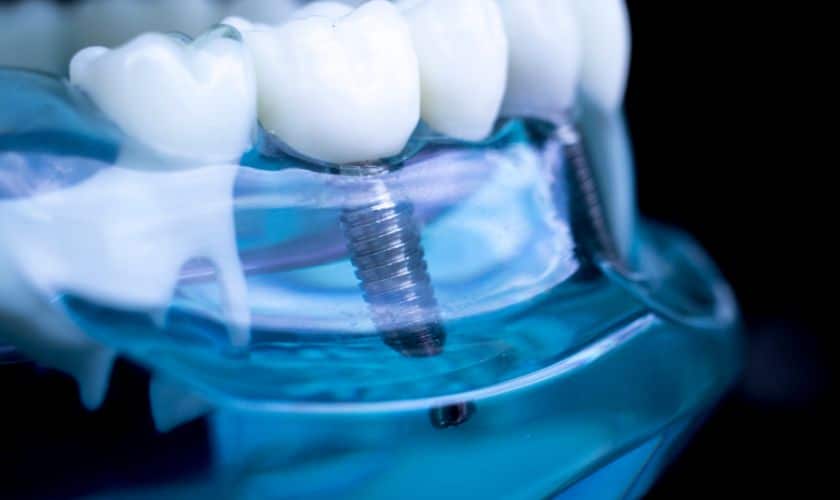
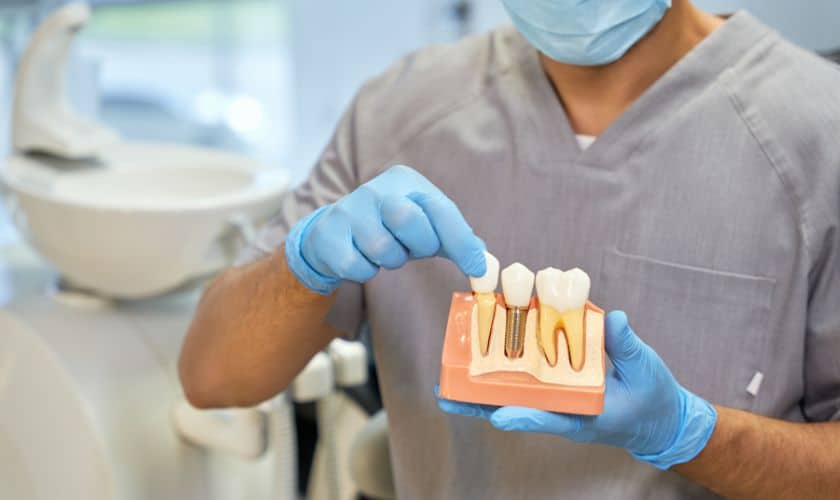
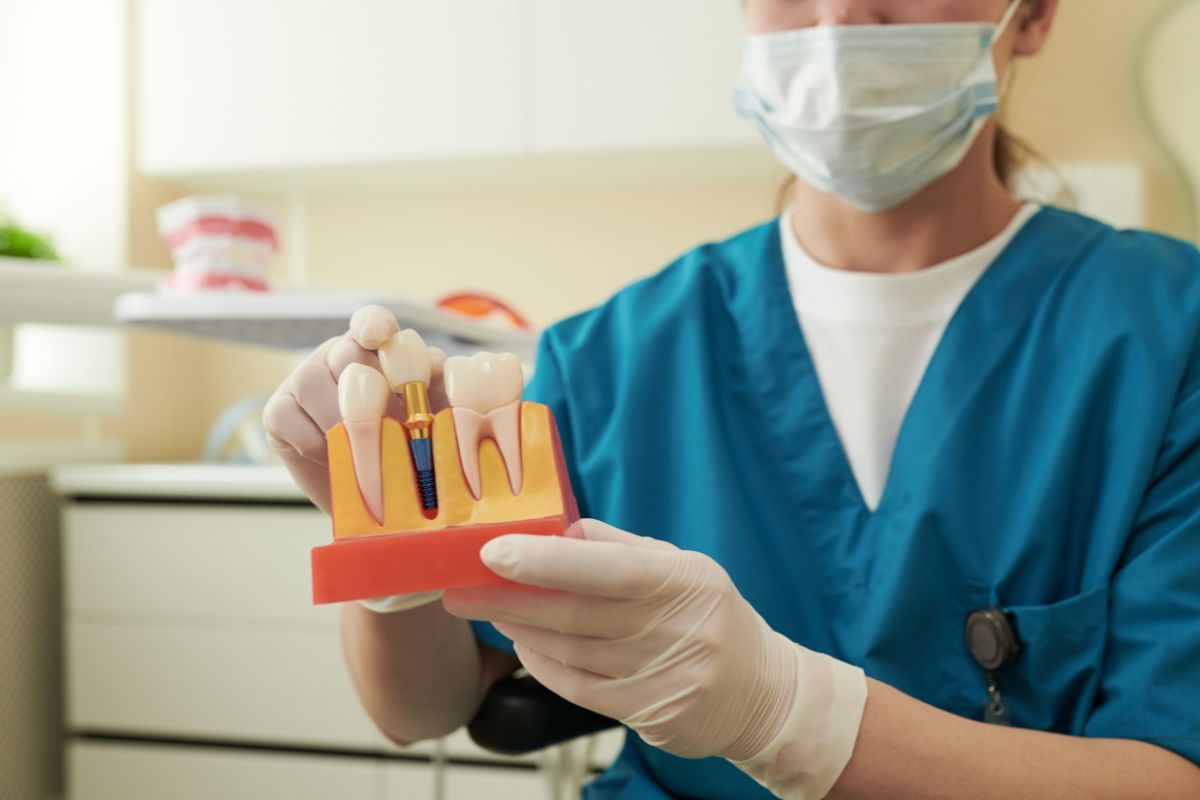
Dental implants have three parts, the screw, the abutment and the crown. The screw sits in the bone and acts like a tooth root. The bone grows around it and holds it firm. This part is made from strong materials like titanium, so it does not break easily.
The top part, the crown, is what you see when you smile. Crowns can wear out over time, but the implant base often lasts much longer. Many studies show that implants can stay in place for 25 years or more. Some people keep them for the rest of their lives.
Why do implants last so long?
- They do not decay.
- They do not get cavities.
- They fuse with the bone.
- They stay steady when cared for.
Still, implants need the right care. Good brushing and healthy habits make a big difference.
What Can Shorten the Life of Dental Implants?
Even though implants are strong, certain things can cause problems. Knowing these risks helps you protect your smile.
1. Poor oral care
Skipping brushing or flossing can lead to gum infection. This infection can spread to the bone and weaken the implant.
2. Smoking
Smoking slows down healing and affects bone strength. Smokers often have a higher chance of implant failure.
3. Teeth grinding
Grinding or clenching puts heavy pressure on the implant. A night guard can help protect it.
4. Poor bone strength
If the bone is weak or thin before the implant, it may not hold as well. A dentist hot springs may suggest bone grafting before treatment if needed.
5. Health conditions
Uncontrolled diabetes or autoimmune conditions make healing slower. Good medical care helps lower these risks.
How to Make Dental Implants Last Longer
The good news is that most people can keep implants healthy for many years when they follow simple daily steps.
Brush and floss every day
Food and plaque can still stick to the gums around the implant. Good cleaning protects the bone and tissues.
Use a soft toothbrush
Soft bristles clean well without harming the gums.
Visit your dentist regularly
Routine visits help catch small issues early. Your dentist hot springs can check the implant and clean areas you may miss at home.
Avoid biting hard items
Ice, hard candy and pens can crack the crown. Try to avoid chewing these.
Stay away from smoking
Quitting helps implants last much longer.
Good habits play a big role in how long your implant will stay strong. With steady care, most implants have a very high success rate.
How Long Does Each Implant Part Last?
1. The implant post
This part often lasts a lifetime. It stays inside the bone and does not wear down. Most problems come from gum or bone issues, not the implant itself.
2. The crown
Crowns usually last ten to fifteen years. They may need replacement after that due to normal wear. Biting patterns, grinding and oral care habits affect how long the crown stays in good shape.
3. The abutment
The abutment sits between the implant and the crown. It can last many years but may need replacement if damaged.
When cared for properly, the full implant system can stay strong for decades.
Do Dental Implants Fail?
Implants have a high success rate, often above 95 percent. Failure is rare, but it can happen. Most issues happen shortly after placement if the bone does not heal well around the implant.
Late failure can happen when a gum infection forms around the implant. This condition is called peri-implantitis. It works a lot like gum disease. Regular checkups with a dentist hot springs help spot this early.
The best way to avoid failure is to keep your gums healthy and follow all care steps given by your dental team.
Should You Consider Dental Implants?
If you have one or more missing teeth, dental implants are a strong and long-lasting option. They help you eat better, improve your bite and keep your jawbone strong. Many people who get dental implants in hot springs choose them because they feel stable and natural.
During your visit, the dentist checks your bone, gums and overall health to make sure implants are right for you. Every patient is different, which is why a clear and honest exam is important.
If you have questions about your treatment plan, or you want to know if implants match your needs, schedule a time to speak with a dentist in Hot Springs for a simple evaluation. Clear answers help you make the right choice for your long-term health.
Conclusion
Dental implants are built to last. With good habits, they can stay strong for decades. Many patients enjoy long-term success by brushing well, keeping their gums healthy and visiting their dentist on a regular basis. If you are thinking about dental implants in hot springs, learning how they work and how long they last can help you feel more confident in your decision. Diamond Lakes Dental can guide you through your options and help you find the right solution for your needs.
FAQs
1. How long do dental implants usually last?
Most implants last 25 years or longer. With good care, many last a lifetime.
2. Do dental implants ever need replacement?
The implant post often lasts for life, but the crown may need replacement after ten to fifteen years.
3. Are dental implants safe for older adults?
Yes. Age is not a limit. Good bone health and proper care matter more than age.
4. Can you get implants if you smoke?
You can, but smoking increases the risk of failure. Quitting or cutting down helps healing.
5. Does the implant procedure hurt?
Most patients say it feels like a routine dental visit. Numbing and simple aftercare reduce discomfort.
6. Can dental implants get infected?
Yes, if gum care is poor. Daily cleaning and regular checkups help prevent infection.
7. How do I know if I qualify for implants?
A dentist checks your bone, gums and health history to make sure implants will work for you.