Visit Diamond Lakes Dental Today Or Call 501-623-7113

Gum Disease: How Periodontal Treatment Can Save Your Teeth


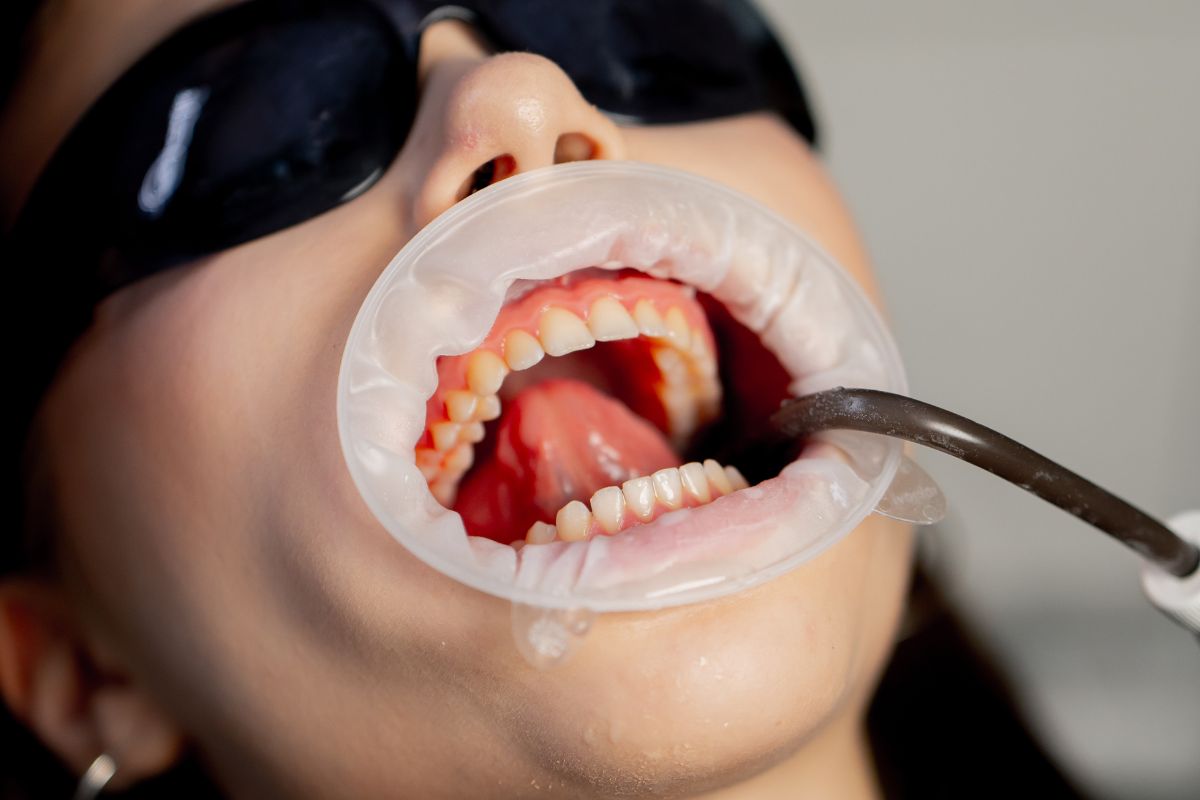
Gum disease is more common than many people realize, and if left untreated, it can lead to tooth loss and other health issues. Early detection and proper care are essential for maintaining a healthy smile. One of the most effective ways to protect your teeth is through periodontal treatment Hot Springs residents trust for safe and effective care. This article explains what gum disease is, how it progresses, and why timely periodontal treatment is key to saving your teeth.
What Is Gum Disease?
Gum disease, also called periodontal disease, occurs when bacteria build up around the teeth and gums. This leads to inflammation, infection, and damage to the structures supporting your teeth.
There are two main stages:
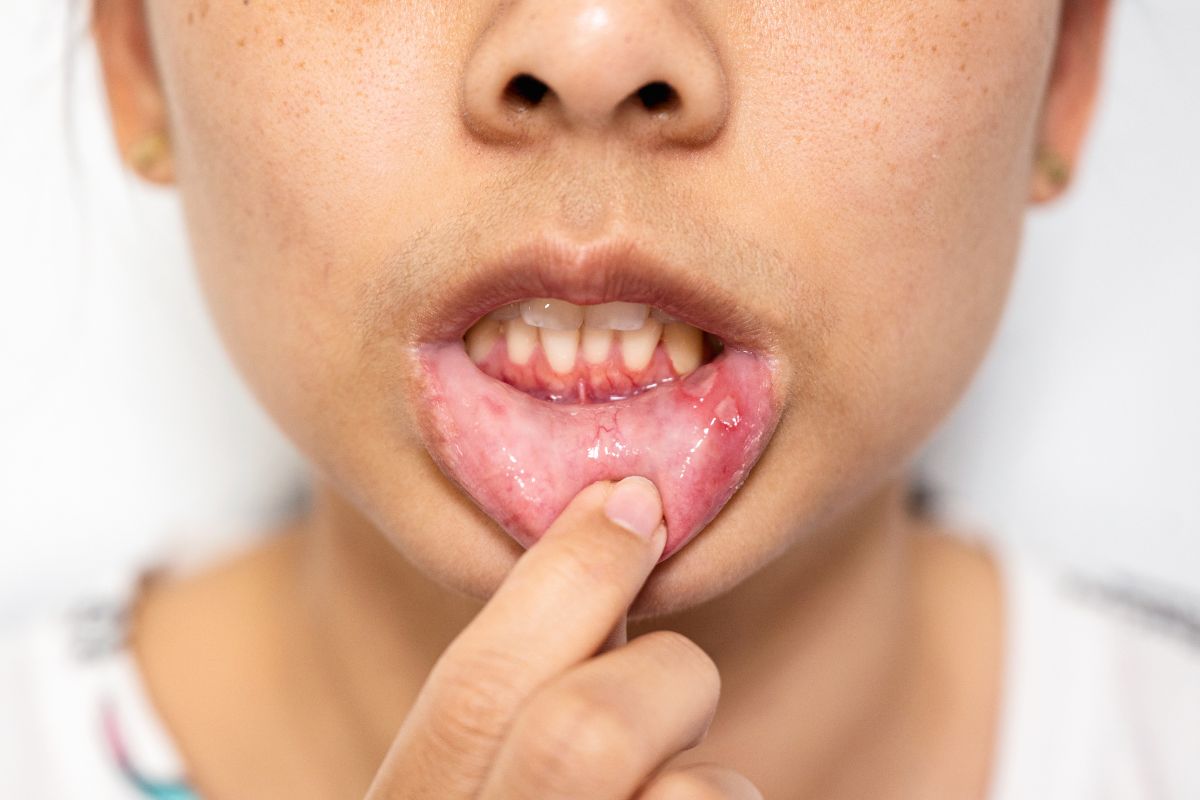
- Gingivitis: Early-stage gum disease, usually reversible with proper care. Symptoms include red, swollen gums, and bleeding while brushing.
- Periodontitis: Advanced gum disease that can cause gum recession, bone loss, and tooth mobility. Without treatment, teeth may eventually fall out.
Recognizing symptoms early is vital to prevent permanent damage.
Common Causes of Gum Disease
Gum disease develops from a combination of factors:
- Poor oral hygiene, such as infrequent brushing or flossing
- Smoking or using tobacco products
- Genetic predisposition
- Hormonal changes in women
- Certain medical conditions like diabetes
Understanding these triggers helps you take proactive steps to protect your oral health.
Signs You May Need Periodontal Treatment
Some warning signs indicate that gum disease is progressing and professional care is necessary:
- Persistent bad breath
- Gums that bleed easily while brushing or flossing
- Red, swollen, or tender gums
- Gum recession or teeth appearing longer
- Loose or shifting teeth
If you notice these signs, consult a dental professional experienced in periodontal treatment Hot Springs patients rely on. Early intervention can prevent serious complications.
What Is Periodontal Treatment?
Periodontal treatment focuses on stopping gum disease and restoring healthy tissue. The type of treatment depends on the severity of the condition:
- Non-Surgical Treatments
- Scaling and Root Planing: Deep cleaning to remove plaque and tartar below the gum line
- Antibiotic Therapy: Medication to reduce bacterial infection
- Surgical Treatments
- Flap Surgery: Lifting gums to remove tartar and reduce pocket depth
- Bone and Tissue Grafts: Rebuilding damaged bone or soft tissue to support teeth
Regular follow-ups after treatment are crucial to ensure long-term success.
Benefits of Early Periodontal Treatment
Getting periodontal treatment promptly can save your teeth and improve overall health. Benefits include:
- Preventing tooth loss
- Reducing gum inflammation and bleeding
- Lowering the risk of infections spreading to other parts of the body
- Improving confidence in your smile
Even minor treatments can make a significant difference when started early.
Maintaining Healthy Gums After Treatment
After periodontal treatment, maintaining good oral hygiene is key:
- Brush at least twice a day with a soft-bristled toothbrush
- Floss daily to remove plaque between teeth
- Visit your dentist regularly for cleanings and checkups
- Avoid tobacco products
- Maintain a balanced diet to support gum health
Following these steps helps prevent recurrence of gum disease.
FAQs About Periodontal Treatment
1. How do I know if I need periodontal treatment?
If you experience swollen, bleeding gums, persistent bad breath, or loose teeth, consult a dentist for an evaluation.
2. Is periodontal treatment painful?
Most treatments are performed with local anesthesia. Patients may feel mild discomfort after procedures, which usually resolves quickly.
3. Can gum disease affect overall health?
Yes. Untreated gum disease has been linked to heart disease, diabetes, and respiratory issues.
4. How long does treatment take?
Simple treatments like scaling can be completed in one or two visits. More advanced procedures may require multiple appointments.
5. Can gum disease be reversed?
Early-stage gum disease (gingivitis) can be reversed with proper care. Periodontitis can be managed, but permanent damage may require restorative treatment.
6. How often should I see my dentist after treatment?
Most patients benefit from checkups every 3–6 months to monitor gum health and prevent recurrence.
7. Is periodontal treatment covered by insurance?
Many dental insurance plans cover part of the cost. Check with your provider and dentist for specific details.
Conclusion
Gum disease is serious, but it can be managed effectively with the right care. Early recognition and professional periodontal treatment Hot Springs patients trust can save your teeth and protect your overall health. Maintaining good oral hygiene, attending regular checkups, and seeking treatment when needed are essential steps for a healthy smile. Don’t wait until symptoms worsen—addressing gum issues promptly can make a lasting difference. Take action today: schedule a consultation at Diamond Lakes Dental and safeguard your smile with expert periodontal care.