Visit Diamond Lakes Dental Today Or Call 501-623-7113

Why Early Periodontal Treatment Matters for Your Smile

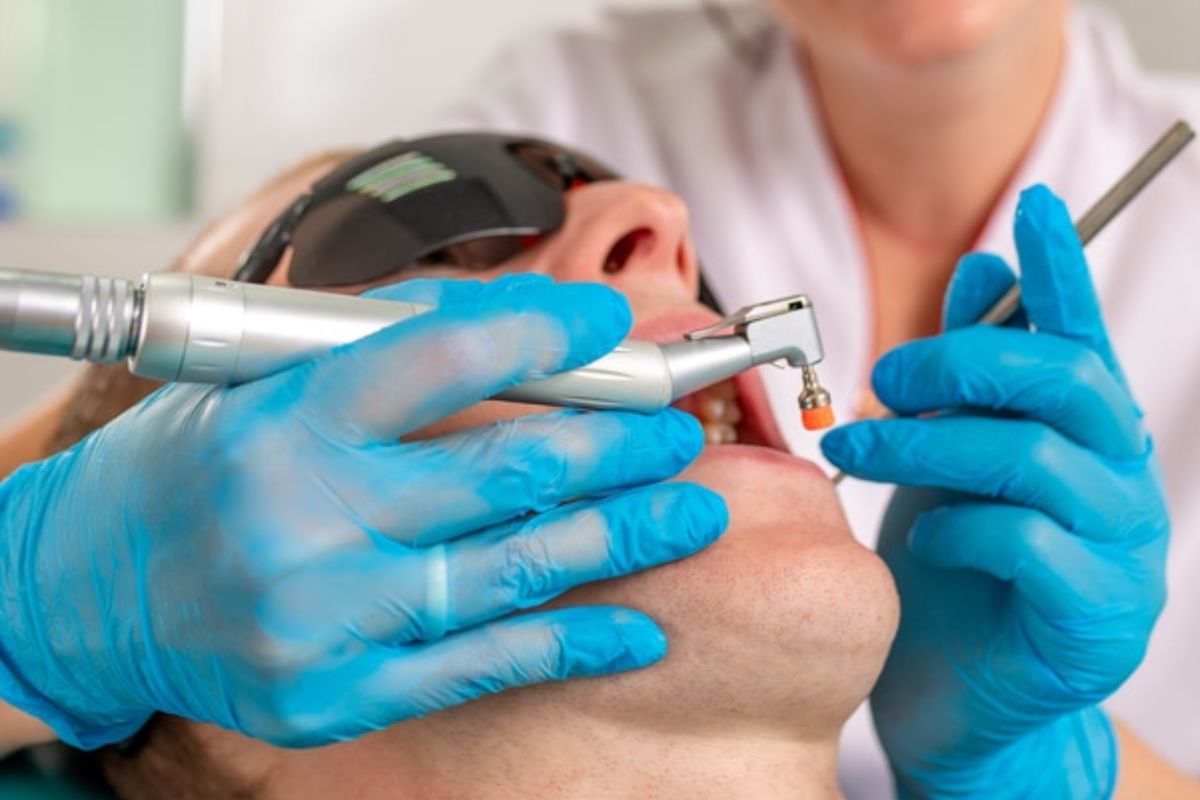
Gum health is more than just a cosmetic concern—it’s a foundational part of your overall oral health. Many people in Hot Springs overlook the early signs of gum disease, thinking that bleeding or sensitive gums are just a temporary nuisance. However, we stress the importance of addressing gum issues early before they progress into more serious periodontal conditions.
If you’ve been searching for trusted periodontal treatment in Hot Springs, it’s time to understand why taking action sooner rather than later can make all the difference for your smile.
What Is Periodontal Disease?
Periodontal disease, commonly known as gum disease, is an infection of the tissues that hold your teeth in place. It usually starts with plaque buildup along the gumline, which, if not removed, can harden into tartar. The bacteria in plaque and tartar irritate the gums, causing inflammation—what we refer to as gingivitis. Left untreated, it progresses to periodontitis, a more severe condition that can result in tooth loss and bone deterioration.
We’ve seen firsthand how untreated gum issues can significantly impact a person’s oral and overall health. That’s why we strongly recommend early periodontal treatment in Hot Springs.
Signs You May Need Early Periodontal Care
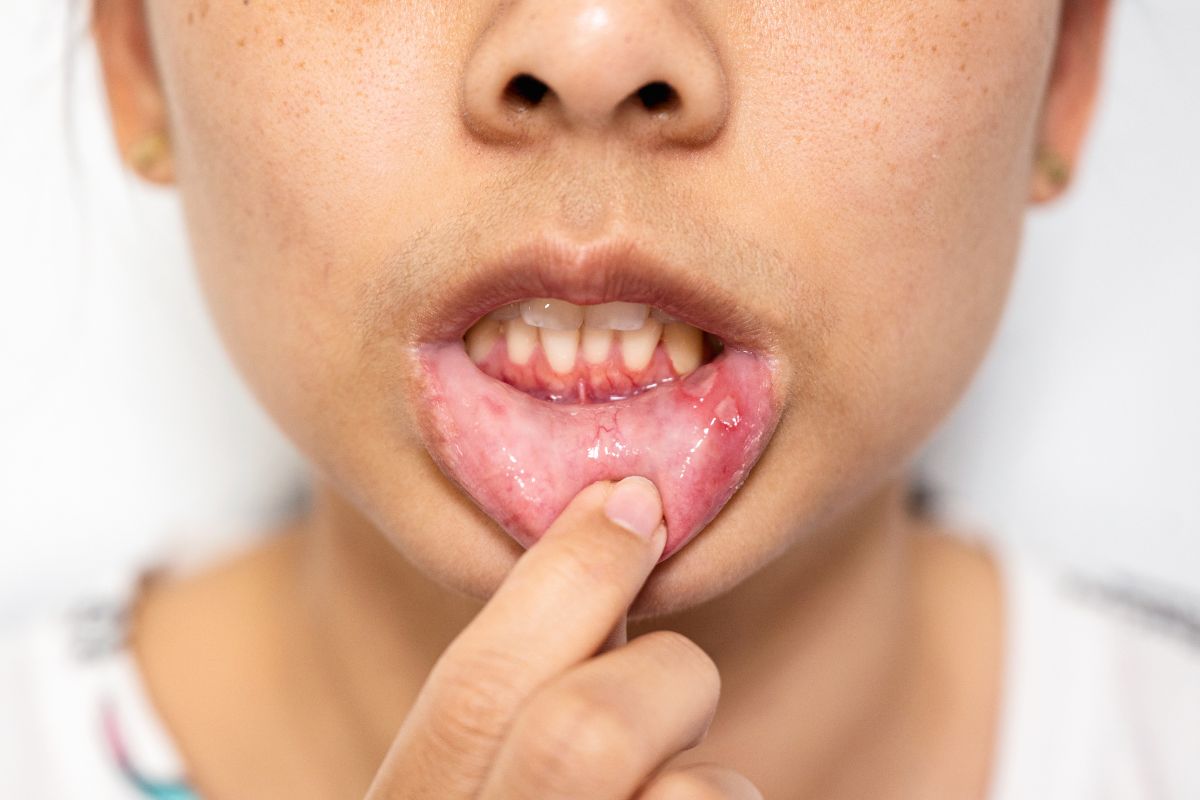
Gum disease doesn’t always come with pain, which is why it can go unnoticed until it’s advanced. Here are some early signs that shouldn’t be ignored:
- Red, swollen, or tender gums
- Gums that bleed easily when brushing or flossing
- Persistent bad breath
- Receding gums
- Sensitive teeth
- Loose or shifting teeth
If you’re noticing any of these symptoms, it’s time to schedule an appointment with Diamond Lakes Dental. Our team is trained to identify the earliest indicators and provide gentle, effective periodontal treatment in Hot Springs.
The Risks of Delaying Periodontal Treatment
Delaying care can have lasting consequences. Gum disease doesn’t resolve on its own—it worsens over time. Without treatment, gingivitis can progress to periodontitis, where the infection attacks the underlying bone and tissues. Once bone loss occurs, it becomes much more difficult and costly to treat.
Additionally, studies show a clear link between periodontal disease and systemic health problems, including:
- Heart disease
- Diabetes complications
- Respiratory issues
- Pregnancy risks, such as premature birth
By seeking early intervention, you’re not just preserving your smile—you’re safeguarding your overall health.
Benefits of Early Periodontal Treatment
1. Helps Protect Your Natural Teeth
Healthy gums provide essential support for your teeth. Treating gum disease early can help limit inflammation and reduce the risk of the tissue and bone damage associated with advanced periodontal disease.
2. May Prevent More Complex Treatment
Early gum disease may often be managed with professional cleanings, improved home care, and other nonsurgical periodontal treatments. More advanced cases may require additional procedures, so early evaluation can be beneficial.
3. Supports Healthier-Looking Gums
Inflamed gums may appear red, swollen, or irritated. Professional periodontal care combined with consistent home hygiene can help improve gum health and appearance.
4. Supports Your Overall Oral Health
Healthy gums are an essential part of a healthy mouth. Managing plaque and periodontal inflammation can help create a stronger foundation for your teeth and other dental treatments.
5. Can Help Reduce Future Dental Costs
Preventive and early periodontal care may help reduce the likelihood of more extensive treatment caused by advanced gum disease, tooth loss, or significant bone damage.
What to Expect
When you visit Us for periodontal treatment in Hot Springs, we begin with a thorough examination of your gums, teeth, and bone levels. We may perform:
- Periodontal charting: Measuring pocket depths between the gums and teeth.
- Digital X-rays: To assess any underlying bone loss.
- Scaling and root planing: A deep cleaning to remove tartar and bacteria from below the gumline.
Our team will develop a customized treatment plan and periodontal maintenance schedule based on your unique needs. We also emphasize patient education—showing you how to maintain gum health between visits with proper brushing, flossing, and dietary habits.
Who’s at Risk for Gum Disease?
While anyone can develop gum disease, certain factors can increase your risk, including:
- Smoking or tobacco use
- Poor oral hygiene
- Genetic predisposition
- Hormonal changes (e.g., pregnancy or menopause)
- Diabetes or autoimmune disorders
- Medications that cause dry mouth
If any of these apply to you, it’s even more critical to visit a dentist in Hot Springs at Diamond Lakes Dental for early intervention and regular checkups.
Don’t Wait—Protect Your Smile Today
Gum disease is silent—but its effects are loud and lasting. Catching and treating the early stages can preserve your natural smile, prevent costly future treatments, and promote your overall well-being.
At Diamond Lakes Dental, we believe that every smile deserves personalized care rooted in prevention. Our experienced team is here to provide expert periodontal treatment in Hot Springs, giving you the tools and support to maintain healthy gums for life.
Frequently Asked Questions
1. What is the earliest stage of gum disease?
The earliest stage is gingivitis. It commonly causes red, swollen, or bleeding gums and may often be managed with improved oral hygiene and professional dental care before it progresses to periodontitis.
2. Can gum disease go away on its own?
Gum disease generally should not be ignored with the expectation that it will resolve on its own. Professional evaluation can determine the cause and severity of your symptoms and whether periodontal treatment is needed.
3. Is periodontal treatment painful?
The level of discomfort depends on the type and extent of treatment. Your dental team can use appropriate techniques to make periodontal procedures as comfortable as possible and explain what to expect before treatment.
4. How often should I receive periodontal maintenance?
The recommended schedule depends on your periodontal health and individual risk factors. Patients who have been treated for gum disease may need more frequent maintenance visits than those with healthy gums. Your dentist can recommend a schedule based on your needs.
5. Can periodontal treatment prevent tooth loss?
Treating gum disease early can help control inflammation and protect the tissues and bone that support your teeth. While results depend on the severity of the condition and individual factors, timely periodontal care can play an important role in reducing the risk of tooth loss associated with advanced gum disease.