Visit Diamond Lakes Dental Today Or Call 501-623-7113

What Causes TMJ Disorders and How to Prevent Them

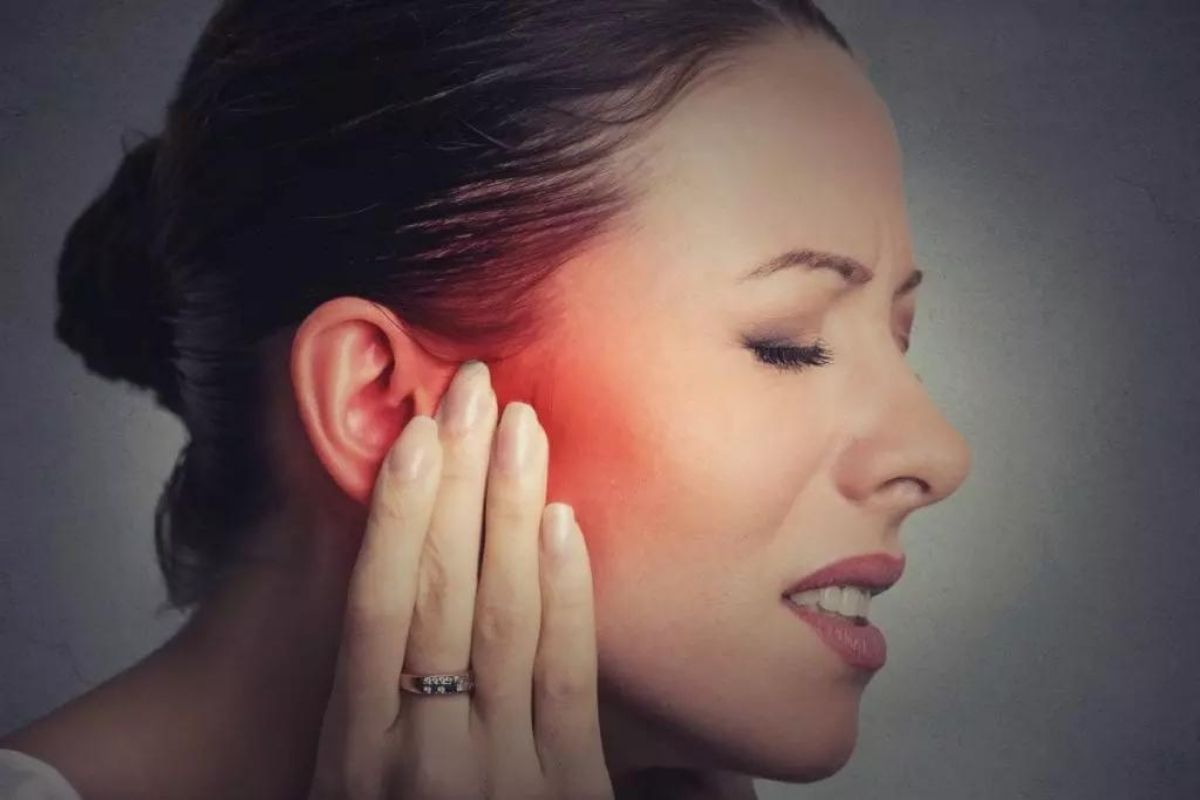
Have you ever felt a clicking sound when you open your mouth or noticed jaw pain that just won’t go away? It might seem minor at first, but those small signs can turn into daily discomfort that affects how you eat, speak, and even sleep. Jaw issues are often overlooked until they begin interfering with everyday life—and that’s when they deserve real attention.
TMJ disorders are more common than most people realize, especially for people dealing with stress, teeth grinding, or bite misalignment. If you’ve been searching for tmj treatment hot springs, understanding the root causes is the first step toward lasting relief and prevention.
What Is a TMJ Disorder?
The temporomandibular joint connects your jawbone to your skull, working like a sliding hinge that allows you to talk, chew, and yawn. When this joint becomes strained or misaligned, it can lead to a condition known as TMJ disorder (TMD).
Common symptoms include:
- Jaw pain or tenderness
- Clicking or popping sounds
- Difficulty opening or closing your mouth
- Headaches or earaches
- Facial soreness
What Causes TMJ Disorders?
TMJ issues rarely come from a single cause. In most cases, it’s a combination of habits, stress, and physical factors.
Teeth Grinding and Clenching
One of the biggest contributors is bruxism—grinding or clenching your teeth, often during sleep. This puts excessive pressure on the jaw joint over time.
Stress and Tension
Life in Hot Springs can be busy, whether you’re working, commuting, or managing family responsibilities. Stress often shows up physically in the jaw, leading to tight muscles and discomfort.
Bite Misalignment
If your teeth don’t align properly, your jaw has to work harder to function, increasing strain on the joint.
Injury or Trauma
A past injury, even one that seemed minor at the time, can affect how your jaw moves and functions.
Arthritis
Conditions like osteoarthritis or rheumatoid arthritis can impact the TMJ, leading to inflammation and stiffness.
Early Warning Signs You Shouldn’t Ignore
Catching TMJ issues early can prevent long-term discomfort. Watch for:
- Frequent headaches, especially in the morning
- Pain while chewing or speaking
- A locked or stiff jaw
- Ringing in the ears without a clear cause
If you notice these signs, it may be time to consider professional evaluation and tmj treatment hot springs before symptoms worsen.
How to Prevent TMJ Disorders
The good news? Many TMJ issues can be prevented or managed with simple lifestyle adjustments.
Be Mindful of Jaw Habits
Avoid chewing gum excessively, biting nails, or resting your chin on your hand for long periods.
Manage Stress Effectively
Try relaxation techniques like deep breathing, light exercise, or spending time outdoors. Hot Springs offers plenty of scenic areas like walking trails and parks where you can unwind naturally.
Use a Night Guard
If you grind your teeth at night, a custom night guard can protect your jaw and teeth from damage.
Maintain Good Posture
Believe it or not, your posture affects your jaw. Sitting hunched over screens can strain your neck and jaw muscles.
Eat a Balanced Diet
Stick to softer foods when experiencing discomfort and avoid overly hard or chewy items that strain the jaw.
Why TMJ Care Matters in Hot Springs
Living in Hot Springs means enjoying a mix of outdoor recreation and a relaxed lifestyle—but it also comes with its share of stress and physical activity. Whether you’re hiking, working long hours, or dealing with seasonal changes, your jaw health can be affected more than you think.
Local dental practices understand these lifestyle factors and can provide personalized care that fits your daily routine. Seeking tmj treatment hot springs from a trusted provider ensures your care is tailored to your needs and environment.
When Should You See a Dentist?
You shouldn’t wait until the pain becomes severe. Consider scheduling a visit if:
- Jaw pain lasts more than a few days
- You experience recurring headaches
- Your jaw clicks or locks frequently
- Over-the-counter pain relief isn’t helping
Early treatment can prevent complications and restore normal function faster.
Treatment Options Available
Depending on your condition, treatment may include:
- Custom oral appliances
- Bite adjustment therapies
- Physical therapy for jaw muscles
- Stress management guidance
- Advanced dental treatments if needed
A personalized approach ensures better results and long-term comfort.
Quick Tips for Everyday Relief
- Apply a warm compress to relax jaw muscles
- Practice gentle jaw stretching exercises
- Avoid extreme jaw movements
- Stay hydrated and maintain overall wellness
Conclusion
Jaw pain doesn’t have to control your day or limit your comfort. By understanding what causes TMJ disorders and taking simple preventive steps, you can protect your oral health and overall well-being. If you’re ready to find lasting relief, the team at Diamond Lakes Dental is here to help you feel like yourself again. Schedule your appointment today and take the first step toward a healthier, pain-free smile.
FAQs About TMJ Disorders
What triggers TMJ pain the most?
Stress, teeth grinding, and poor bite alignment are the most common triggers.
Can TMJ go away on its own?
Mild cases may improve with self-care, but persistent symptoms usually require professional treatment.
Is TMJ treatment painful?
Most treatments are non-invasive and focused on reducing pain, not causing it.
Can stress really affect my jaw?
Yes, stress often leads to clenching or tightening of jaw muscles, which can worsen TMJ symptoms.
How long does it take to feel better?
Relief depends on the severity, but many patients notice improvement within a few weeks of proper care.