Visit Diamond Lakes Dental Today Or Call 501-623-7113

Implant vs. Root Canal: Which Treatment Is Better for You?

When faced with a damaged or decayed tooth, you might be wondering whether to opt for a dental implant or a root canal. Both treatments offer solutions, but they serve different purposes and have distinct benefits and drawbacks. Understanding the differences between implants and root canals can help you make an informed decision based on your dental health needs. This blog will explore both options, their advantages, and considerations to help you determine which treatment might be best for you.
What is a Root Canal?
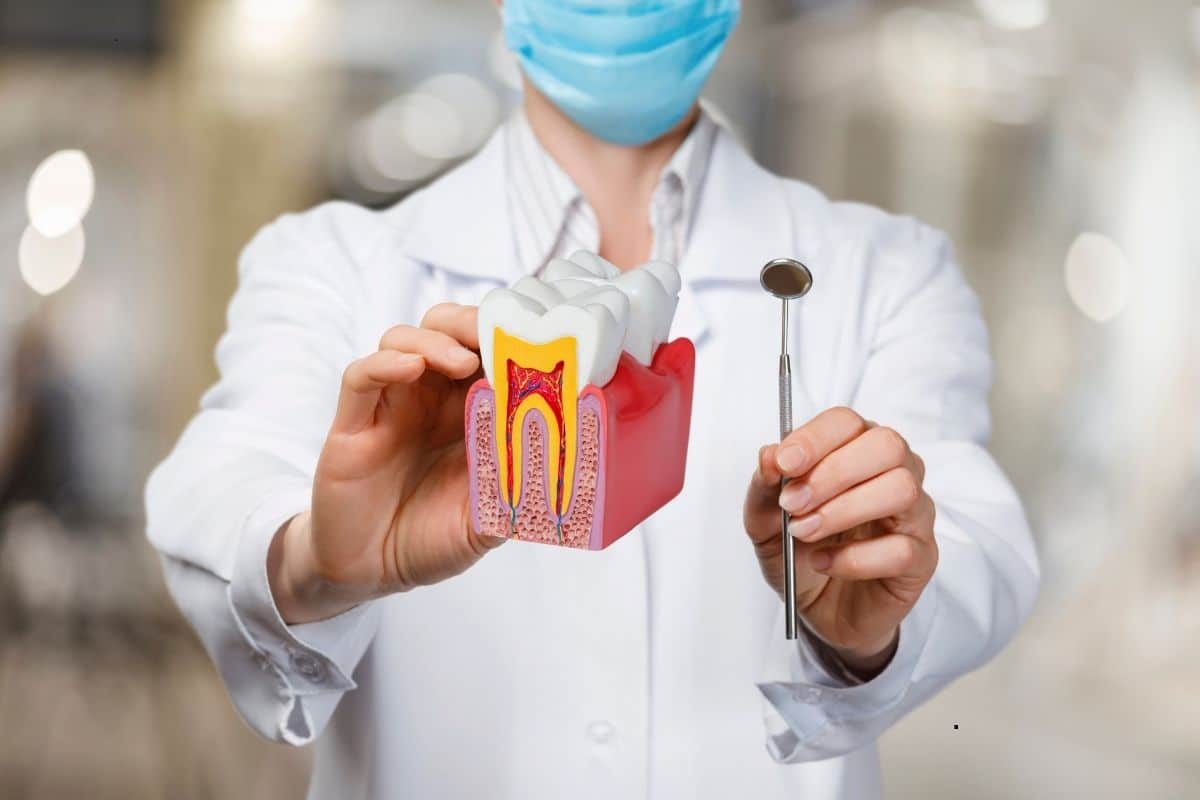
A root canal is a dental procedure designed to save a tooth that is badly decayed or infected. The process involves removing the infected or damaged pulp from inside the tooth, cleaning and disinfecting the root canals, and then sealing the tooth with a filling.
Pros of a Root Canal
- Tooth Preservation: A root canal allows you to keep your natural tooth, which is often preferable to extraction and replacement.
- Effective Pain Relief: The procedure removes the source of infection and can relieve significant tooth pain and discomfort.
- Functionality: Once treated, the tooth can function normally for chewing and speaking, and with a crown, it can look and feel like other teeth.
- Less Invasive than Extraction: Root canals are generally less invasive than extraction and implant placement, as they preserve the tooth’s natural structure.
Cons of a Root Canal
- Potential for Future Issues: Although rare, a tooth that has had a root canal may still be prone to future problems, such as reinfection or fracture.
- Duration and Complexity: The procedure can take multiple visits and may involve complex treatment if the infection is severe.
- Cost: Root canals can be costly, especially when factoring in the need for a crown or other follow-up treatments.
- Discoloration: The treated tooth may darken over time, which may require additional cosmetic treatment.
What is a Dental Implant?
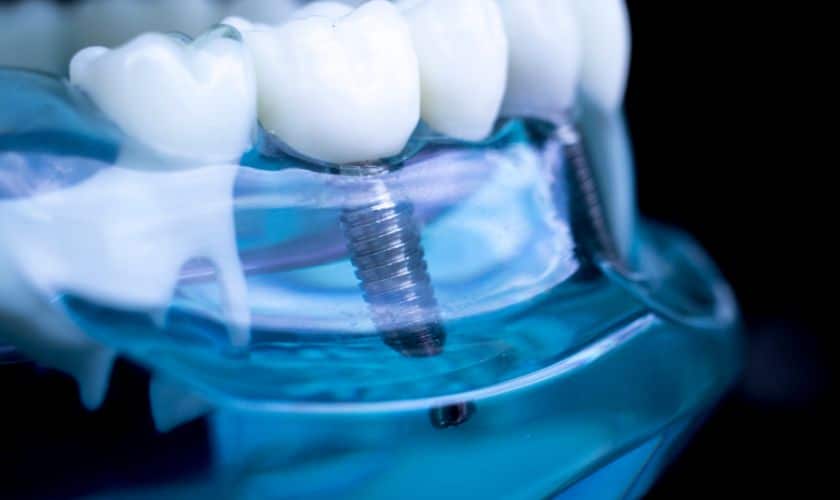
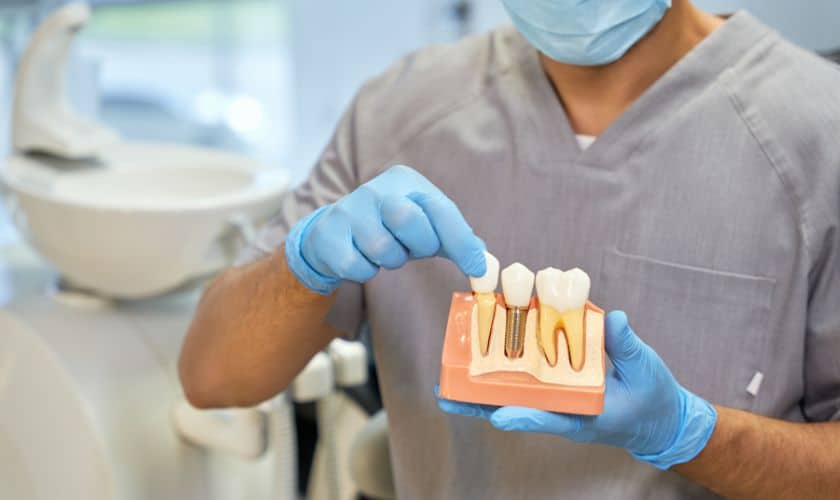
A dental implant is a surgical procedure used to replace a missing or severely damaged tooth. The implant consists of a titanium post that is surgically placed into the jawbone, which acts as a replacement root. After the implant integrates with the bone (a process called osseointegration), a crown is placed on top to complete the restoration.
Pros of a Dental Implant:
- Permanent Solution: Implants are a long-term solution for replacing missing teeth and can last many years with proper care.
- Natural Appearance and Function: Implants closely mimic the look and function of natural teeth, providing a seamless and aesthetic result.
- Bone Preservation: Implants help maintain jawbone density by stimulating the bone, which can prevent bone loss that often occurs with missing teeth.
- No Impact on Adjacent Teeth: Unlike bridges, implants do not require alteration of adjacent teeth, preserving their natural structure.
Cons of a Dental Implant:
- Invasive Procedure: The placement of an implant requires surgery, which involves recovery time and potential risks such as infection or implant failure.
- Longer Treatment Time: The process involves multiple steps and can take several months to complete, including healing time for osseointegration.
- Cost: Implants are often more expensive than other dental treatments, including root canals and bridges.
- Potential for Complications: While rare, complications such as implant rejection, infection, or issues with osseointegration can occur.
Comparing Root Canals and Dental Implants
1. Tooth Preservation vs. Replacement:
- Root Canal: Preserves the natural tooth, making it a good option if the tooth is structurally sound enough to support a restoration.
- Implant: Replace the missing tooth, making it ideal if the natural tooth is beyond saving or if it has been extracted.
2. Function and Appearance:
- Root Canal: Restores the tooth’s function and appearance with a crown, but may be more prone to future issues.
- Implant: Provides a new tooth that looks and functions like a natural one and is generally more durable long-term.
3. Treatment Complexity:
- Root Canal: Involves cleaning and sealing the tooth, often followed by a crown. Generally less invasive than implant surgery.
- Implant: Involves surgical placement of a post and a healing period for bone integration before the final crown is placed.
4. Cost and Time:
- Root Canal: Typically involves fewer procedures and less time than implants but can still be costly, especially with additional restorative work.
- Implant: Usually more expensive and time-consuming due to the surgical nature of the procedure and the need for a healing period.
Making the Right Choice
The choice between a root canal and a dental implant depends on several factors, such as the state of the tooth, your overall dental health, and your personal preferences. Consult with Diamond Lakes Dental to evaluate your specific situation and determine the most suitable treatment. They will consider factors such as the extent of the damage or decay, the health of surrounding teeth and bone, and your long-term dental goals.
Conclusion
Both root canals and dental implants offer valuable solutions for addressing dental issues, but they serve different purposes. A root canal aims to save a damaged tooth and restore its function, while an implant provides a permanent replacement for missing teeth. By understanding the benefits and limitations of each option and discussing them with your Boynton Beach dentist, you can make an informed decision that best suits your dental health needs and lifestyle.