Visit Diamond Lakes Dental Today Or Call 501-623-7113

How to Care for Your Tooth After Root Canal Therapy

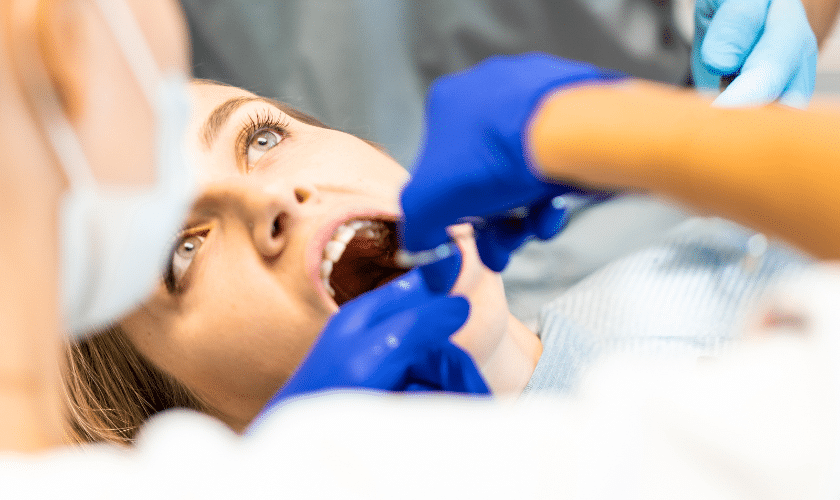
Taking care of your tooth after root canal therapy Hot Springs helps the treated tooth heal, stay strong and last for years. A root canal removes the infected pulp so you can keep your natural tooth. The treatment is safe and routine, but what you do after the procedure plays a big part in your recovery. Good care also lowers the chance of pain, swelling or new infection.
This guide explains what you can do at home, what to avoid and when to call a dentist. The goal is to make your recovery simple, clear and worry-free.
What Happens Right After Your Root Canal
After a root canal, the tooth and the area around it stay numb for a few hours. You may feel mild soreness once the numbness fades. This is normal. Most people can return to normal activity the same day. Your dentist may place a temporary filling or temporary crown. This protects the tooth until you get your permanent crown.
At this stage, your job is to protect the tooth, keep it clean and avoid anything that can stress it.
Step-by-Step Care for the First 24 Hours
1. Wait Before Eating
Do not chew food until the numbness wears off. You may bite your cheek or tongue without knowing it. Once feeling returns, stick to soft foods like yogurt, soup, eggs, rice or mashed potatoes.
2. Avoid Chewing on the Treated Side
Until the final crown is placed, the tooth is weaker. Chewing on the other side prevents cracks or pressure on the temporary filling.
3. Use Pain Relief if Needed
Most people feel only mild soreness. Over-the-counter pain relievers usually work well. Follow the instructions given by your dentist.
4. Use Ice Packs for Swelling
If you notice swelling, place a cold pack on the cheek for 10 minutes, then remove for 10 minutes. Repeat as needed.
How to Care for Your Tooth in the First Week
Keep the Area Clean
Brush and floss as you always do, but be gentle around the treated tooth. Good oral hygiene helps prevent bacteria from returning.
Choose Soft Foods
For a few days, pick foods that are easy to chew. Avoid nuts, chips, hard bread, candy or anything sticky. These foods can pull out the temporary filling.
Avoid Hot Drinks if Your Tooth Feels Tender
Some people feel mild heat sensitivity. If this happens, choose warm drinks instead of hot ones.
Watch for Signs of Trouble
Some soreness is normal. Strong pain, swelling that gets worse, or a bad taste in your mouth can be signs of infection. Contact your dentist if you notice these problems.
If you need support with symptoms or follow-up care, reach out to Diamond Lakes Dental. They guide patients through recovery with clear steps and simple advice.
Long-Term Care After Your Permanent Crown
A root-canal-treated tooth works like a normal tooth once the permanent crown is placed. The crown keeps the tooth strong so you can chew and smile with comfort.
Brush Twice a Day
Use a soft-bristle toothbrush and gentle strokes. This protects your crown and gums.
Floss Daily
Floss around the crown to lower the chance of gum issues or decay near the edge.
Avoid Using Your Teeth as Tools
Do not open packages or bite hard objects like ice or pens. Even a crowned tooth can crack.
Keep Regular Dental Visits
Your dentist checks the crown, the bite and the surrounding gums. Routine care keeps the tooth stable and healthy.
Why After-Care Matters
Good care keeps the treated tooth in great shape for many years. Most root-canal-treated teeth last a lifetime when protected with a crown and healthy habits. When you follow your dentist’s steps, the tooth can stay strong and pain-free.
If you ever feel unsure about what to do, call your dental team for guidance. You deserve a smooth and stress-free recovery.
Common Mistakes to Avoid After a Root Canal
Skipping the Final Crown
The crown is not optional. It protects the tooth from cracking. Delaying it can lead to serious problems.
Chewing Hard Foods Too Soon
Even if you feel fine, the inner tooth needs time to settle.
Poor Oral Hygiene
Bacteria can collect near the gum line, which can cause infection. Staying consistent with brushing and flossing protects your tooth and gums.
Ignoring Ongoing Pain
Pain that lasts longer than a few days or gets stronger needs attention.
When to Call Your Dentist
Call your dentist right away if you notice:
- swelling that does not go down
- pain that gets worse
- trouble biting or chewing
- the temporary filling comes out
- a crack in the tooth
- fever or general discomfort
Your dentist will check the tooth and address the issue quickly.
Benefits of Proper After-Care
Taking care of your tooth after root canal therapy in Hot Springs gives you:
- a lower chance of infection
- stronger long-term function
- less pain or swelling
- a long-lasting result
- a restored smile that looks and feels natural
Good care also builds confidence. You know the treated tooth is safe and stable.
If you recently had root canal therapy in Hot Springs, you are already on the right path to saving your natural tooth. With a few simple steps, you can protect your tooth for years. If you have questions or want clear guidance, contact Diamond Lakes Dental for friendly support.
FAQs
1. How long does the soreness last after a root canal?
Most people feel mild soreness for one to three days. It usually gets better on its own.
2. Can I brush my teeth the same day?
Yes. Brush gently around the treated area to keep it clean.
3. When can I chew on the treated tooth?
Wait until your dentist places the final crown. Before that, chew on the other side.
4. Do I need a crown after every root canal?
In most cases, yes. A crown protects the tooth from cracks and keeps it strong.
5. Can an infection come back after treatment?
It can happen if bacteria enter the tooth again. Good oral care reduces this risk.
6. What if my temporary filling comes out?
Call your dentist. The tooth needs to stay covered until the crown is placed.
7. Is it normal to feel pressure when biting?
A little pressure is normal for a few days. If it does not improve, contact your dentist.
Conclusion
Caring for your tooth after root canal therapy in Hot Springs is simple when you follow the steps given by your dentist. Protect the treated tooth, keep the area clean and watch for changes. A little care today helps your tooth stay healthy for years.
If you need clear advice or help during recovery, reach out to Diamond Lakes Dental. Their team guides patients with simple, friendly and expert care.