Visit Diamond Lakes Dental Today Or Call 501-623-7113

How Painful Is Getting a Dental Implant?


Dental implants are one of the most effective ways to replace missing teeth, offering long-lasting results and improved oral health. However, many patients have concerns about the pain associated with the procedure. Understanding what to expect can help ease your anxiety and prepare you for a smooth experience. In this blog, we’ll break down the dental implant process, discuss the discomfort level at each stage, and explain how your dentist will manage pain to ensure you’re as comfortable as possible. If you’re considering dental implants in Hot Springs, this information can help you make an informed decision about the procedure.
The Dental Implant Procedure: What to Expect
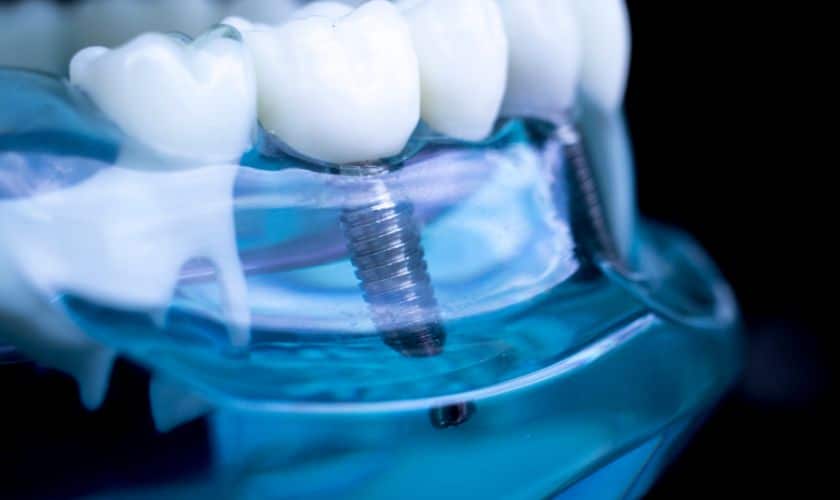
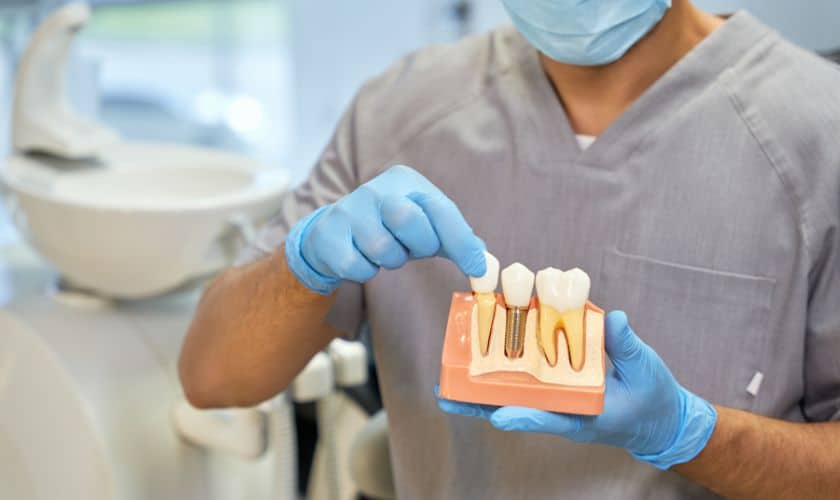
Before we delve into the pain levels, let’s review the dental implant procedure. Dental implants are titanium posts that act as artificial tooth roots, surgically inserted into the jawbone. After healing, a crown is attached to the implant, providing a natural-looking replacement tooth.
Here’s a breakdown of the dental implant procedure step-by-step:
- Consultation and Examination
During your initial consultation with a dentist, your oral health will be evaluated to determine if you’re a good candidate for dental implants. This exam typically includes X-rays or 3D imaging to assess your jawbone density and overall health. - Implant Placement
The first stage of the procedure involves surgically placing the implant into your jawbone. This is done under local anesthesia, meaning the area will be numb, and you won’t feel pain during the surgery. - Healing Period
After the implant is placed, your jawbone needs time to heal and fuse with the implant through a process called osseointegration. This can take several weeks to a few months. During this time, some patients experience mild discomfort, similar to what you might feel after a tooth extraction. - Attaching the Abutment and Crown
Once healing is complete, an abutment is attached to the implant, followed by the custom-made crown. This step is much less invasive and typically involves minimal discomfort.
Now that you understand the steps involved, let’s focus on the level of pain you can expect during each stage.
Pain During the Implant Placement
One of the most common concerns patients have is whether the dental implant procedure will hurt. Here’s the good news: the actual implant placement is generally painless. Local anesthesia is used to numb the area, so you won’t feel pain during the surgery itself. You may feel some pressure or vibrations, but these sensations should not be painful.
Pain After the Implant Surgery
While the surgery itself is pain-free, you may experience some discomfort after the anesthesia wears off. The level of pain varies from person to person, but most patients describe it as mild to moderate discomfort rather than severe pain. The discomfort is often similar to what you might experience after having a tooth extracted.
Here’s what you can expect after the procedure:
- Swelling: Mild to moderate swelling around the implant site is common, particularly in the gums and face. Swelling usually peaks within 48 hours after surgery and gradually subsides over the following days.
- Soreness: The implant site and surrounding areas may be sore or tender for a few days. This is usually manageable with over-the-counter pain relievers, such as ibuprofen or acetaminophen.
- Bruising: Some patients experience bruising around the gums or jaw, but this is temporary and should fade within a week.
- Minor Bleeding: Slight bleeding is normal immediately following the surgery but should stop within a few hours.
Most discomfort after dental implant surgery lasts for about 3-5 days. If you experience significant pain that doesn’t improve or worsen, it’s important to contact your dentist to rule out complications, such as an infection.
Managing Pain After the Procedure
Your dentist will provide instructions on how to manage any discomfort you may experience after the surgery. Here are some common recommendations to help you stay comfortable:
- Pain Medication
Over-the-counter pain relievers are usually sufficient for managing post-surgical discomfort. In some cases, your dentist may prescribe stronger pain medication, but this is rarely necessary. Be sure to follow the dosage instructions carefully. - Cold Compresses
Applying a cold compress to your cheek near the implant site can help reduce swelling and numb the area, providing relief from discomfort. Use the compress in intervals of 20 minutes on, followed by 20 minutes off, during the first 24-48 hours after surgery. - Soft Diet
Sticking to soft foods for the first few days after your surgery can help minimize discomfort and avoid irritating the implant site. Foods like yogurt, soup, mashed potatoes, and smoothies are good choices. Gradually reintroduce solid foods as you feel more comfortable. - Good Oral Hygiene
Keeping your mouth clean is essential to prevent infection and promote healing. Follow your dentist’s instructions for brushing and rinsing your mouth, being careful to avoid the surgical area. - Rest
Give your body time to heal by resting for at least 24-48 hours after the procedure. Avoid strenuous activities that could increase blood flow to the surgical site and cause more swelling or discomfort.
Pain During the Healing Period
The healing period after dental implant surgery is typically uneventful in terms of pain. Most patients report that any discomfort they experience during the first few days subsides quickly. As the jawbone heals and fuses with the implant, you should not feel pain. If discomfort persists for an extended period, or if you experience sharp pain or throbbing, it’s crucial to contact your dentist as these could be signs of complications.
Pain When Attaching the Abutment and Crown
Once the healing phase is complete, your dentist will attach the abutment and crown. This part of the process is relatively straightforward and typically causes little to no pain. Since the gum tissue has already healed around the implant, there is minimal discomfort involved in placing the final crown.
Conclusion
The thought of undergoing dental implant surgery can be intimidating, but the truth is, that the procedure is not as painful as many people expect. With local anesthesia and proper pain management, the surgery itself is pain-free. Any post-surgical discomfort is typically mild and can be easily managed with pain relievers and home care. If you’re ready to restore your smile and improve your oral health with dental implants, Diamond Lakes Dental can guide you through the process. With proper care, dental implants can provide you with a strong, natural-looking smile that lasts a lifetime.