Visit Diamond Lakes Dental Today Or Call 501-623-7113

Severe Tooth Pain? Signs You May Need an Emergency Tooth Extraction

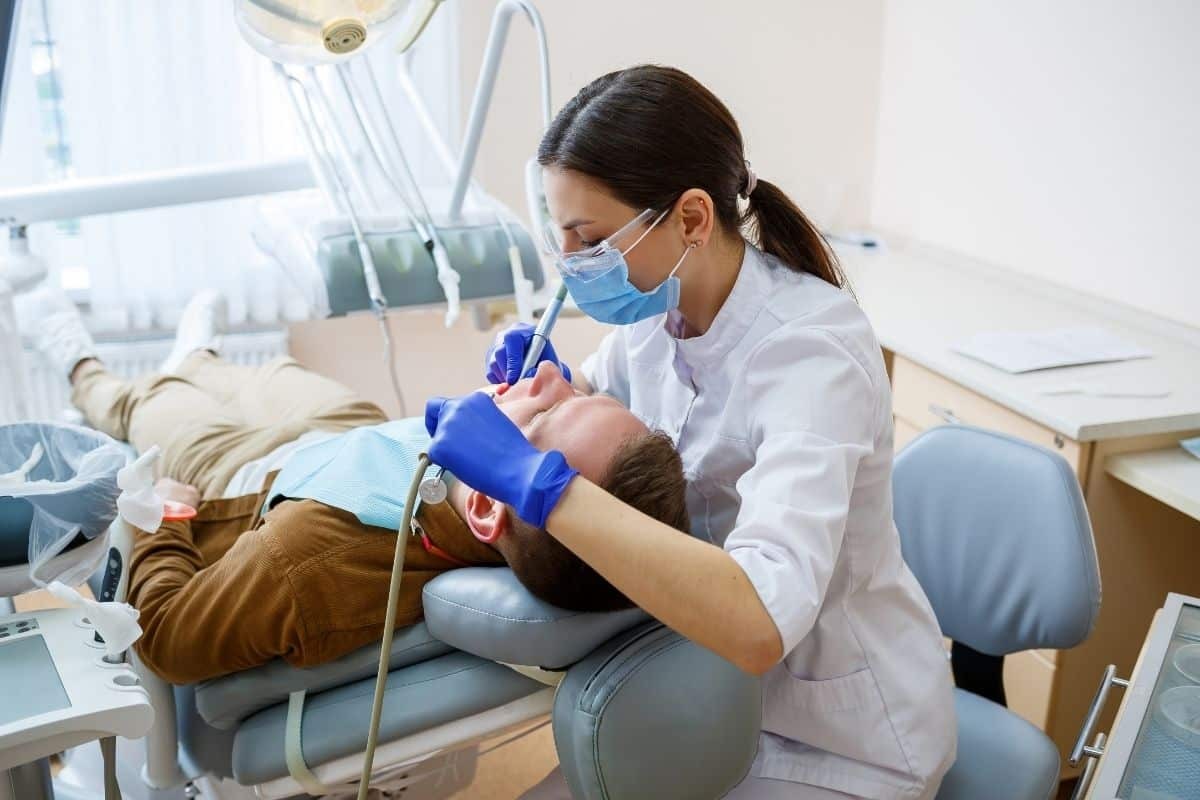
A sudden, intense toothache can turn an ordinary day into a struggle. Eating becomes uncomfortable, sleeping feels impossible, and even a sip of cold water can send a sharp jolt through your mouth. While some toothaches can wait for a regular dental visit, severe or worsening pain may signal a problem that needs prompt attention.
Knowing when tooth pain has crossed the line from uncomfortable to urgent can help you avoid complications. If you are searching for emergency tooth extraction near me, understanding the warning signs can help you decide when it is time to contact a dental professional in Hot Springs, Arkansas.
When Is Severe Tooth Pain a Dental Emergency?
Not every painful tooth needs to be removed. Dentists typically evaluate the tooth and surrounding tissues to determine whether it can be saved with treatment such as a filling, crown, or root canal. However, when a tooth is severely damaged, infected, or no longer restorable, extraction may become the safest option.
For patients in Hot Springs, timely dental care can make a meaningful difference. Delaying treatment may allow an infection or other dental problem to worsen, potentially leading to more discomfort and additional treatment.
Signs You May Need Urgent Tooth Removal
Watch for these symptoms when deciding whether your tooth pain needs immediate attention.
Severe or Persistent Tooth Pain
A toothache that is intense, persistent, or getting worse should not be ignored. Pain that interferes with eating, sleeping, or everyday activities may indicate deep decay, infection, trauma, or inflammation around the tooth.
Pain that temporarily disappears does not always mean the problem is gone. In some cases, the nerve inside a severely damaged tooth can stop responding while infection continues to develop.
Significant Swelling Around the Tooth
Swelling in the gums, cheek, jaw, or face can be a warning sign of infection. Facial swelling is particularly important because dental infections can spread beyond the original tooth.
If swelling is accompanied by difficulty breathing or swallowing, seek emergency medical attention immediately.
A Dental Abscess or Pus
A dental abscess is a pocket of infection that can develop around a tooth or in the gums. You may notice a pimple-like bump, drainage, an unpleasant taste, swelling, or throbbing pain.
An abscess generally requires professional treatment. Simply allowing it to drain does not eliminate the underlying infection.
A Broken or Severely Damaged Tooth
Accidents, sports injuries, falls, and biting down on something hard can fracture a tooth. If the damage extends below the gumline or affects the tooth’s internal structure, saving the tooth may not always be possible.
A dentist can assess the extent of the damage and determine whether restoration or extraction is appropriate.
A Loose Adult Tooth
Adult teeth should not become loose without a reason. Advanced gum disease, trauma, infection, or significant bone loss can affect the stability of a tooth.
A loose tooth accompanied by pain, bleeding, swelling, or infection deserves prompt evaluation.
What Should You Do Before Your Dental Appointment?
If you develop severe dental pain, avoid trying to remove or treat the tooth yourself. Until you can see a dental professional:
- Rinse gently with warm water.
- Keep the area as clean as possible.
- Avoid chewing on the painful side.
- Choose soft foods if eating is uncomfortable.
- Use a cold compress on the outside of the cheek if swelling is present.
- Follow the directions on any over-the-counter pain medication you normally can take.
- Do not place aspirin directly against the tooth or gums.
If you have significant facial swelling, trouble breathing or swallowing, uncontrolled bleeding, or signs of a serious infection, seek emergency medical care.
What Happens During an Emergency Dental Evaluation?
When you visit a dental office for severe tooth pain, the dentist will first determine what is causing the problem. This may involve examining the tooth, checking the surrounding gums, and taking dental X-rays when appropriate.
The goal is not automatically to remove the tooth. If the tooth can be safely restored, your dentist may recommend a treatment that preserves it. If the tooth is badly infected, fractured, or otherwise beyond repair, an emergency tooth extraction may be recommended.
The procedure and aftercare depend on the condition of the tooth and your overall dental needs. Your dentist should explain the treatment, what to expect, and how to care for the area afterward.
Why Prompt Care Matters in Hot Springs, AR
Hot Springs residents have plenty to keep them busy, from enjoying the natural beauty of the Ouachita Mountains to exploring the historic downtown district and spending time around Lake Hamilton. A severe toothache can quickly put those plans on hold.
For people looking for dentists Hot Springs AR, choosing prompt professional care can help address the source of dental pain before it becomes more disruptive. A timely evaluation can also help determine whether the tooth can be saved or whether removal is the better option.
Quick Checklist: Should You Seek Urgent Dental Care?
Consider contacting a dentist promptly if you have:
- Severe or worsening tooth pain
- Facial or jaw swelling
- Pus or drainage near a tooth
- A broken or badly damaged tooth
- A loose adult tooth with pain or swelling
- Fever associated with dental symptoms
- Difficulty opening your mouth
- Pain that prevents normal eating or sleeping
When symptoms are severe, waiting and hoping they disappear may allow the underlying problem to progress.
Frequently Asked Questions
Can severe tooth pain mean I need an extraction?
Yes, but not always. Severe pain can result from several dental problems. A dentist must examine the tooth to determine whether it can be restored or whether removal is appropriate.
Is tooth extraction always an emergency?
No. Some extractions can be planned as part of routine dental care. An extraction becomes more urgent when there is severe pain, significant infection, swelling, trauma, or another problem that requires prompt treatment.
Can an infected tooth be saved instead of removed?
Sometimes. Depending on the condition of the tooth, treatments such as root canal therapy and a dental crown may preserve it. If the tooth is too damaged to restore, extraction may be recommended.
How do I know if a tooth infection is becoming serious?
Increasing pain, facial swelling, fever, pus, difficulty opening your mouth, or trouble swallowing can indicate a more serious infection. Difficulty breathing or swallowing requires immediate medical attention.
What should I do if my tooth breaks and starts hurting badly?
Rinse your mouth gently with water, avoid chewing on the affected side, and contact a dentist promptly. If there is severe bleeding, major facial injury, or difficulty breathing or swallowing, seek emergency medical care.
Don’t Let Severe Tooth Pain Decide Your Day
Severe dental pain rarely makes a convenient appearance. When it strikes, getting the right answer quickly can help protect your oral health and prevent a manageable problem from becoming more complicated.
If you are dealing with intense tooth pain, swelling, infection, or a badly damaged tooth in the Hot Springs area, Diamond Lakes Dental can help you take the next step. Contact the office today to schedule an evaluation and find out whether your tooth can be saved or requires prompt treatment.