Visit Diamond Lakes Dental Today Or Call 501-623-7113

Do Braces Hurt? What You Should Know Before Getting Them

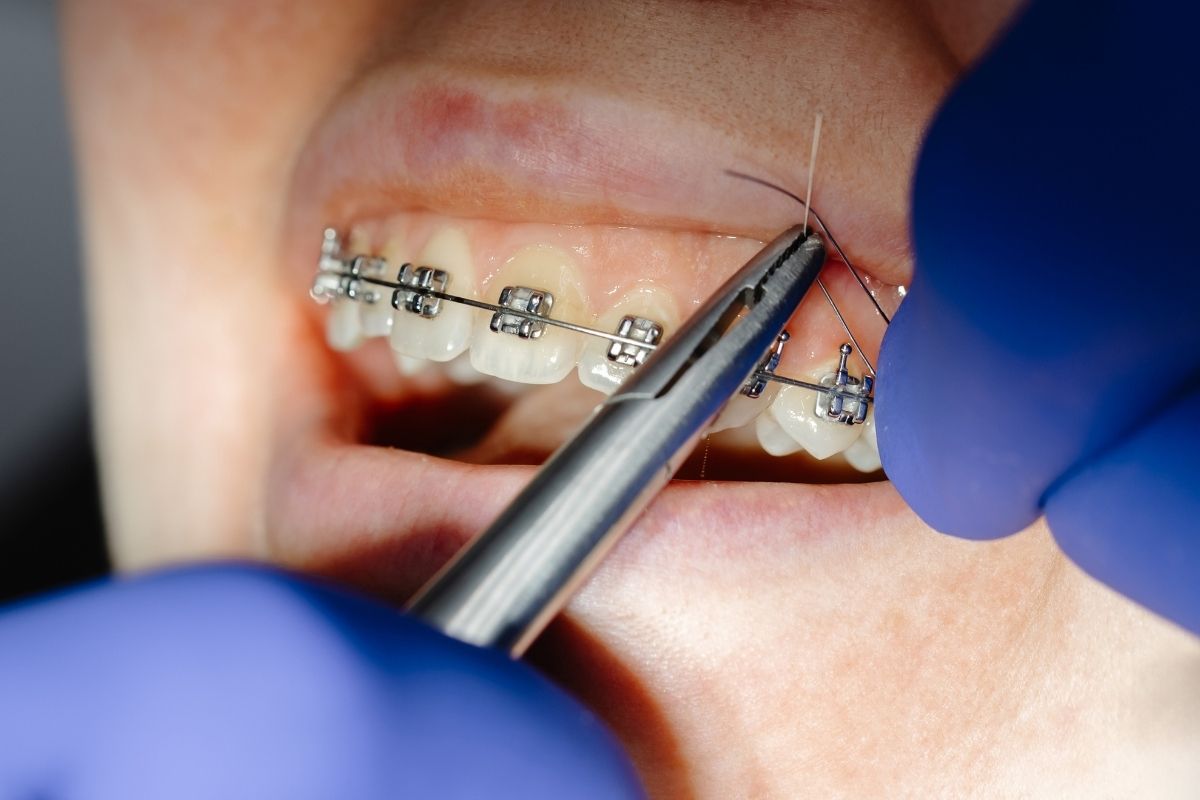
“Will it hurt?” This single question stops more people from getting braces than anything else. The thought of constant discomfort, sore teeth, or painful adjustments can make the entire process feel overwhelming before it even begins.
But here’s the part most people don’t realize—modern orthodontic treatment doesn’t work the way it used to. What many assume as painful is often just brief, manageable pressure that fades as your teeth adjust.
If you’re considering visiting an orthodontist in Hot Springs, understanding what the experience actually feels like can change everything. With today’s techniques, the process is planned to be controlled, predictable, and more comfortable than expected. And when you’re enjoying everyday moments by Lake Hamilton to exploring local events, the last thing you want is something that disrupts your routine. But, it doesn’t have to.
Does The Bracket & Wire System Hurt Instantly You Wear Them?
This might surprise you, no, they don’t.
When they are first placed, most people feel little to no pain. You may notice pressure or tightness, but it’s not sharp or intense.
The real sensation begins a few hours later. As your teeth start responding to gentle pressure, soreness can develop. This is your body adjusting—not a sign of damage. In fact, orthodontic research shows that discomfort typically begins 4–6 hours after placement, peaks around 24 hours, and gradually fades within a few days.
Why Does It Feel Uncomfortable In The First Place?
Teeth are not fixed in place as rigidly as they seem. They are supported by ligaments and bone that allow controlled movement over time.
When the wires and brackets apply gentle force, they trigger a biological response:
- The bone begins to break down on one side.
- New bone forms on the other side.
- The tooth gradually shifts into position.
This process, known as bone remodeling, is essential for alignment. A common concern—“why do braces hurt after tightening”—comes down to this exact process. It’s not an injury; it’s controlled and planned movement happening beneath the surface.
How Long Does The Discomfort Last?
Here’s the part that reassures most people. The soreness is temporary.
- First 24 hours → most noticeable
- Days 2–3 → gradually improving
- By day 5 → usually gone
Each adjustment may bring mild soreness again, but it tends to feel less intense over time.
Why? Because your mouth adapts. Your body learns what’s happening and responds more efficiently with each stage.
Is It Actually Pain Or Just Pressure?
Most patients describe it as pressure, not pain. Think of it like the feeling after a workout. It’s noticeable, but not overwhelming. Clinical studies show that nearly 70–85% of patients rate orthodontic discomfort as mild to moderate, not severe. That’s a big difference from what people expect. Understanding this distinction changes everything. You’re not dealing with constant pain, but you’re experiencing temporary sensitivity.
What Are The Most Unexpected Side Effects?
Here’s something many blogs don’t talk about. There are a few lesser-known effects during the early days:
- Teeth may feel slightly loose (this is normal).
- Your bite may feel “off” temporarily.
- You may become more aware of your teeth than usual.
These changes can feel strange, but they’re part of the adjustment phase. Moreover, your teeth can move as little as 1 millimeter per month, yet that small shift creates noticeable changes over time.
Can You Eat Normally With A Metallic Orthodontic Appliance?
Yes, but with a smart approach.
During the first few days, softer foods make things easier. This reduces pressure and helps you stay comfortable. Some safe options include:
- Smoothies and yogurt.
- Mashed potatoes or pasta.
- Scrambled eggs.
- Soups and soft vegetables.
Many patients even search for “what foods to eat with new braces”, and the answer is simple! Start with soft foods, then gradually return to your usual meals. Just avoid hard or sticky foods that can put extra pressure on your teeth.
How Can You Manage Orthodontic Brackets Discomfort?
Managing discomfort is simple and effective only when done correctly. Here are proven ways to stay comfortable:
- Cold compress to reduce inflammation.
- Warm saltwater rinses to soothe irritation.
- Over-the-counter pain relief when needed.
- Orthodontic wax for any irritation from brackets.
In fact, most people find relief within a day or two using these methods.
Will Braces Affect Your Regular Lifestyle In Hot Springs?
The adjustment period is short, and most people return to normal activities quickly. Whether you’re spending time outdoors, attending events, or staying active, the process fits into your routine. In Hot Springs, where outdoor living and social activities are part of daily life, this flexibility matters. You won’t have to pause your lifestyle—you’ll simply adapt for a few days.
Does Everyone Feel The Same Level Of Discomfort?
No, and this is important. Some people feel mild soreness, while others barely notice it. Pain tolerance, tooth sensitivity, and movement complexity all play a role. Working with an orthodontist in Hot Springs ensures that adjustments are controlled and personalized. That reduces unnecessary pressure and improves overall comfort. No two experiences are exactly the same, but most are easier than expected.
Why Choosing A Specialist For Orthodontic Treatment Matters?
Comfort isn’t just about the appliance but about how it’s managed. A professional understands how to apply the right amount of pressure at the right time. That precision reduces discomfort and keeps progress steady.
In simpler terms, better planning equals a smoother experience.
And a smoother experience makes the entire process feel easier.
What Happens If You Delay Treatment?
Delaying orthodontic care may not seem urgent at first, but minor alignment issues rarely stay the same. Over time, they tend to progress and give rise to more complex concerns.
When teeth remain misaligned, it can lead to:
- Uneven wear on enamel increases the risk of chipping or sensitivity.
- Greater strain on gums and supporting structures, which may affect long-term stability.
- Shifting of surrounding teeth, making future correction more complicated.
As these changes build gradually, what could have been a straightforward process may require more time and effort later. Starting earlier allows for a more controlled approach, often leading to shorter treatment time, better comfort, and more predictable results.
Start Your Braces Treatment With Comfort & Clarity
At Diamond Lakes Dental in Hot Springs, getting braces is comfortable and manageable from the very first visit. And thus, our team focuses on creating a personalized orthodontic plan that fits your needs, explains each step in simple terms, and ensures you know exactly what to expect throughout your treatment.
From the initial consultation to regular adjustments, every phase is handled with precision and care to minimize discomfort and keep your progress on track. Whether you’re wearing fixed orthodontic appliances for the first time or exploring alignment options, the goal is to make the experience smooth and hassle-free. If you’ve been holding back due to pain or uncertainty, now is the time to move forward with confidence. Book an appointment today to begin your teeth straightening treatment with a team focused on comfort, clarity, and lasting results.
Frequently Asked Questions (FAQs)
Do braces hurt more after adjustments than when first placed?
Yes, adjustments can cause temporary soreness because they apply new pressure to shift teeth. However, this discomfort is usually milder and shorter-lived as your mouth gradually adapts.
How long does it take to get used to wearing braces?
Most people adapt to the fixed appliance within one to two weeks as the mouth adjusts to new pressure and structure. Speech, chewing, and overall comfort improve noticeably during this period.
Can braces cause headaches or jaw discomfort?
It can, as the pressure used to move teeth can temporarily affect surrounding muscles and joints. This may lead to mild headaches or jaw sensitivity, especially during the initial adjustment phase.
Is it common for teeth to feel a bit loose while wearing the bracket and wire system?
Yes, slight looseness is expected because teeth need to move through bone during alignment. This is a controlled and temporary process that allows them to shift into proper positions safely.
Do braces affect how you sleep or your daily routine?
Fixed orthodontic appliances usually do not interfere with sleep once your mouth adjusts to them. After the initial phase, most daily activities, including eating and speaking, return to normal with minor adaptations.