Visit Diamond Lakes Dental Today Or Call 501-623-7113

What is Worse: A Crown or a Root Canal?

When faced with dental problems, understanding the differences between a crown and a root canal is essential for making an informed decision about your treatment options. This blog will help clarify the procedures, their purposes, and what to expect from each. Here’s a comprehensive look at these common dental treatments from a trusted dentist.
Understanding Crowns
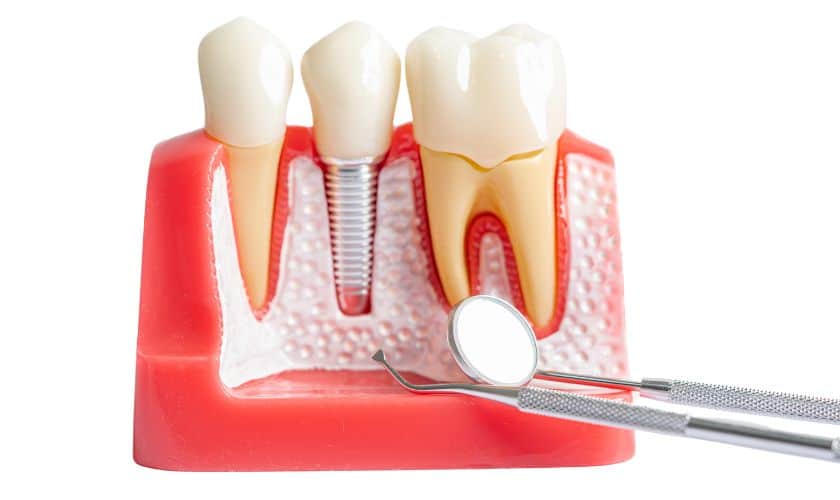
A dental crown is a protective cap that covers a damaged tooth to restore its shape, size, strength, and appearance. Crowns are utilized in several situations, such as:
- Protecting a weakened tooth from breaking
- Restoring an already broken or severely worn-down tooth
- Holding a dental bridge in place
- Covering misshaped or severely discolored teeth
- Covering a dental implant
Pros of Crowns
- Durability: Crowns are made from strong materials like porcelain, ceramic, or metal, making them long-lasting.
- Aesthetics: They can be designed to match the color and shape of your natural teeth.
- Protection: They protect the tooth underneath from further damage or decay.
Cons of Crowns
- Cost: Crowns can be expensive and may not always be fully covered by insurance.
- Tooth Preparation: This process entails removing a substantial part of the natural tooth structure.
- Multiple Visits: Getting a crown typically requires at least two dental visits.
Understanding Root Canal Therapy
Root canal therapy, or endodontic treatment, is performed to save a tooth that is severely infected or decayed. The procedure involves removing the infected pulp from inside the tooth, cleaning the canals, and sealing them to prevent further infection.
Pros of Root Canal Therapy
- Pain Relief: It eliminates the pain caused by an infected or abscessed tooth.
- Natural Tooth Preservation: It saves your natural tooth, preventing the need for extraction.
- Functionality: After a root canal, the tooth can function normally again, especially when restored with a crown.
Cons of Root Canal Therapy
- Discomfort: The procedure can cause discomfort during and after treatment, although it is generally manageable with pain relief.
- Multiple Visits: Complex cases may require several appointments.
- Possible Failure: If not properly cleaned and sealed, the tooth can become re-infected.
Which Is Worse?
Determining whether a crown or root canal is worse depends on individual circumstances and the specific dental issue. Here are some considerations:
- Severity of the Problem: A root canal is necessary for severely infected or decayed teeth, which is typically more urgent and painful than needing a crown.
- Procedure Invasiveness: Both procedures are invasive, but a root canal involves more extensive internal work compared to the external modification required for a crown.
- Recovery and Aftercare: Both treatments require proper aftercare. Root canals can lead to more initial discomfort due to the nature of the procedure.
Consulting with a Dentist
The best way to determine the appropriate treatment for your dental needs is to consult with a qualified dentist. A Seattle dentist can provide a thorough examination and recommend whether a crown, root canal or another treatment is the best option for you. They will consider factors such as the extent of decay or infection, overall oral health, and your comfort and preferences.
Conclusion
Both crowns and root canals are essential dental treatments that address different issues. While neither is inherently worse than the other, understanding their purposes and processes can help you make informed decisions about your oral health. If you’re experiencing dental pain or suspect you might need one of these treatments, contact a dentist to get expert advice and care tailored to your needs.