Visit Diamond Lakes Dental Today Or Call 501-623-7113

Traditional Braces vs. Invisalign: Which is Right for You

Are you thinking about orthodontic treatment to improve the alignment of your teeth? Choosing between traditional braces and Invisalign can be a significant decision. In this comprehensive guide, we’ll compare traditional braces and Invisalign aligners to help you determine which option aligns best with your needs and lifestyle. As you explore your options, remember that consulting a skilled cosmetic dentist Hot Springs can provide personalized guidance for your orthodontic journey.
Understanding Traditional Braces
Traditional braces have been a trusted orthodontic solution for decades, effectively correcting various alignment issues. Here are key features of traditional braces:
- Components: Traditional braces consist of metal brackets bonded to the teeth and connected by wires and elastic bands.
- Treatment Process: The orthodontist adjusts the braces periodically to move teeth into their correct positions gradually.
- Visibility: The metal brackets and wires of traditional braces are visible when smiling and speaking.
- Suitability: Traditional braces are suitable for correcting complex orthodontic issues, including severe misalignment, bite problems, and overcrowding.
Exploring Invisalign Aligners
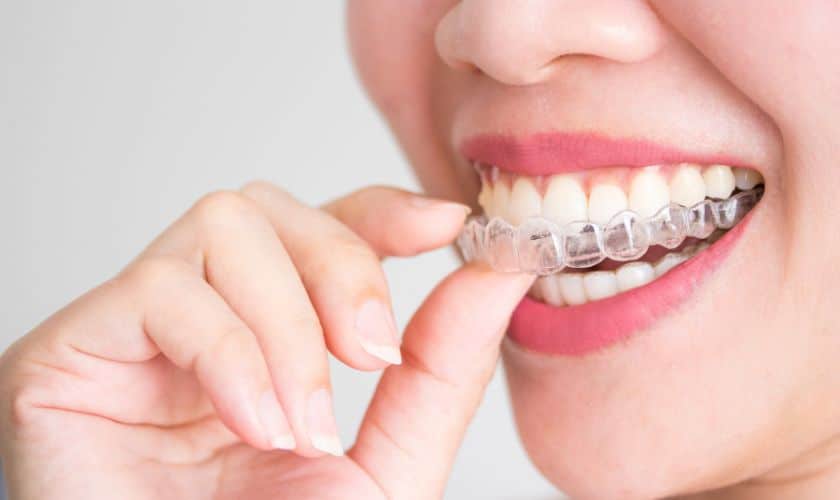
Invisalign offers a discreet and flexible alternative to traditional braces, appealing to many individuals seeking orthodontic treatment. Here are key features of Invisalign aligners:
- Clear Aligners: Invisalign aligners are made of clear, BPA-free plastic, virtually invisible when worn.
- Customized Treatment: Using advanced 3D imaging technology, a series of custom aligners are created to gradually shift teeth into alignment.
- Removability: Aligners can be removed for eating, drinking, brushing, and flossing, promoting better oral hygiene during treatment.
- Comfort: Smooth plastic aligners are generally more comfortable than metal brackets and wires, reducing the likelihood of oral sores or discomfort.
Comparing Traditional Braces and Invisalign
- Aesthetic Appeal:
- Traditional Braces: Visible metal brackets and wires may impact aesthetics during treatment.
- Invisalign: Virtually invisible aligners offer a more discreet orthodontic option, especially for adults and professionals.
- Treatment Duration:
- Traditional Braces: Treatment duration varies based on individual needs, typically ranging from 18 months to 3 years.
- Invisalign: Treatment duration also varies but may be comparable to traditional braces depending on the complexity of the case.
- Orthodontic Needs:
- Traditional Braces: Ideal for addressing complex orthodontic issues such as severe misalignment, bite problems, and jaw discrepancies.
- Invisalign: Suitable for mild to moderate alignment issues including crowding, spacing, and minor bite corrections.
- Maintenance and Lifestyle:
- Traditional Braces: Require special care to clean around brackets and wires; certain food restrictions apply to prevent damage.
- Invisalign: Aligners are removable for easy cleaning and eating, allowing for minimal disruptions to daily routines.
Consulting a Cosmetic Dentist
Choosing between traditional braces and Invisalign involves considering factors such as treatment goals, lifestyle preferences, and orthodontic needs. A skilled cosmetic dentist can conduct a thorough assessment, discuss your options, and create a personalized treatment plan tailored to your unique smile goals.
Conclusion
Both traditional braces and Invisalign offer effective solutions for achieving a straighter, healthier smile. Your choice depends on factors such as treatment visibility, comfort, maintenance requirements, and treatment duration. By consulting with a trusted cosmetic dentist in Hot Springs, you can embark on your orthodontic journey with confidence, knowing that you’re making the best choice for your smile transformation.